
Alignment is acceptable only when the measured condition, machine temperature and final tightening state all match the recorded basis. A single offset or angular value is not enough if it was taken before pipe connection, before final bolt torque or at a different thermal condition.
Define the operating boundary first
A useful review begins with the driven equipment, the supply and control arrangement, the mechanical interface and the site condition. Record whether the check is cold or hot, which machine is treated as fixed, and whether coupling, piping and base work are complete. If one of those inputs is still open, mark it as an assumption instead of hiding it inside a general note.
This matters because the motor is only one part of the drive train. The equipment owner defines the duty and acceptance criteria; the motor supplier confirms what the offered design can deliver. Keeping those responsibilities separate makes technical questions easier to close.
Three checks that change the answer
| Step | Review point | Why it matters |
|---|---|---|
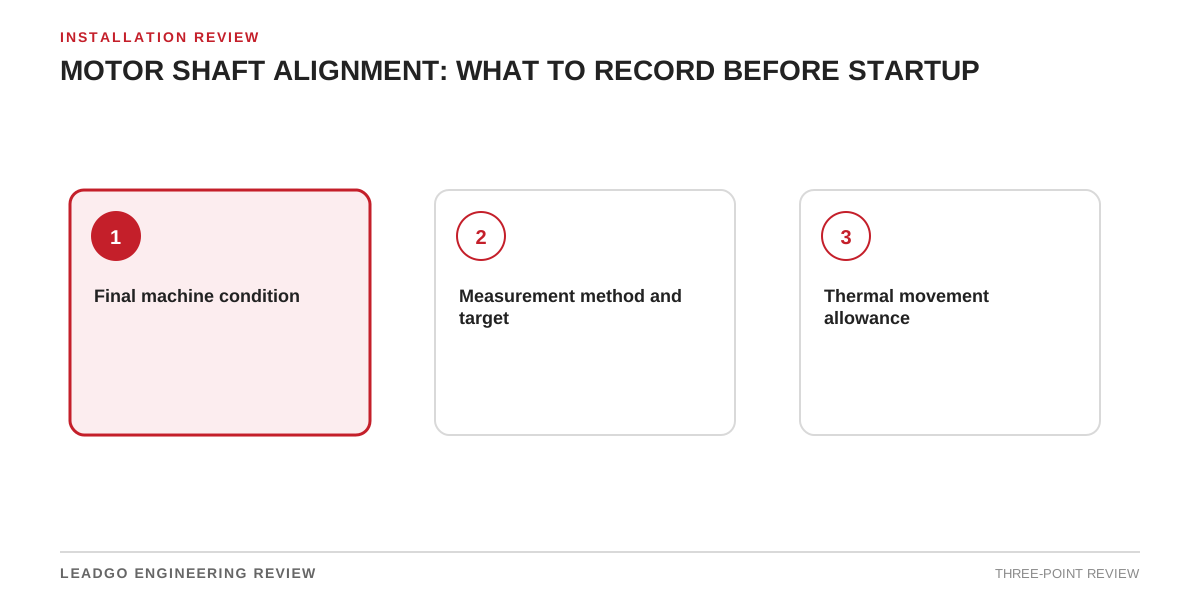
| 1 | Final machine condition | Confirm grout, piping, coupling and hold-down bolts are in their final operating configuration. |
| 2 | Measurement method and target | State the instrument, datum, coupling geometry and acceptance target used for the alignment. |
| 3 | Thermal movement allowance | Identify any cold offset and the source of the expected operating-position change. |
Where reviews commonly go wrong
- Aligning before connected loads are applied. Pipe strain or final coupling assembly can move the machine after an apparently good reading.
- Saving only the final number. Without datum, sign convention and machine condition, the reading cannot be reproduced.
What to record before approval
The approval record should be short enough to use and detailed enough to audit. Keep the following items with the decision:
- alignment report with horizontal and vertical readings
- final bolt-torque and soft-foot record
- drawing or calculation supporting any thermal offset
Where a limit comes from the manufacturer, request confirmation for the exact motor and revision. Where it comes from the plant or driven equipment, identify the responsible engineering owner. Photographs and field measurements are useful supporting evidence, but they should not replace a controlled drawing or test record.
Decision rule
Alignment is acceptable only when the measured condition, machine temperature and final tightening state all match the recorded basis. Apply that rule to the complete operating envelope, not only the rated point. If the required evidence is missing, leave the item open and name what must be supplied before manufacture, shipment or energisation.