What an Industrial Motor Actually Costs to Build
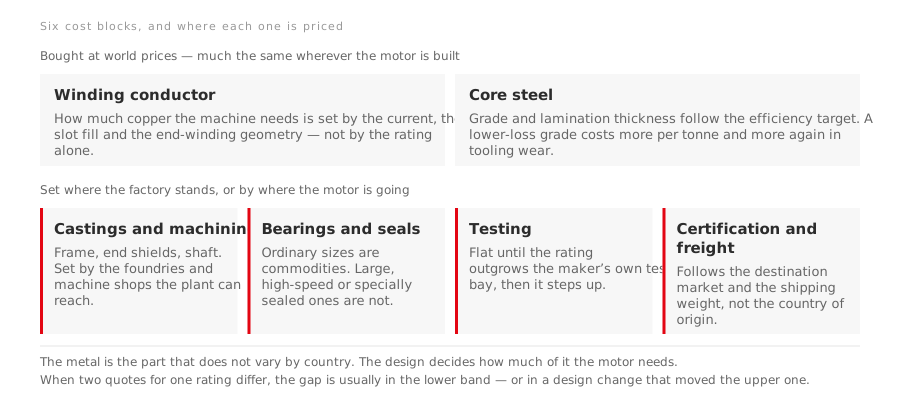
A motor breaks into six cost blocks. Some are bought at world prices and cost the same wherever it is built. The metal is in that group; four others are not.

Selection guidance, efficiency data and field experience from LEADGO's engineering team.
A motor breaks into six cost blocks. Some are bought at world prices and cost the same wherever it is built. The metal is in that group; four others are not.
The choice is about a drive train, not a motor. And whether the fan sits in the entering or the leaving airstream decides what the machine lives in.
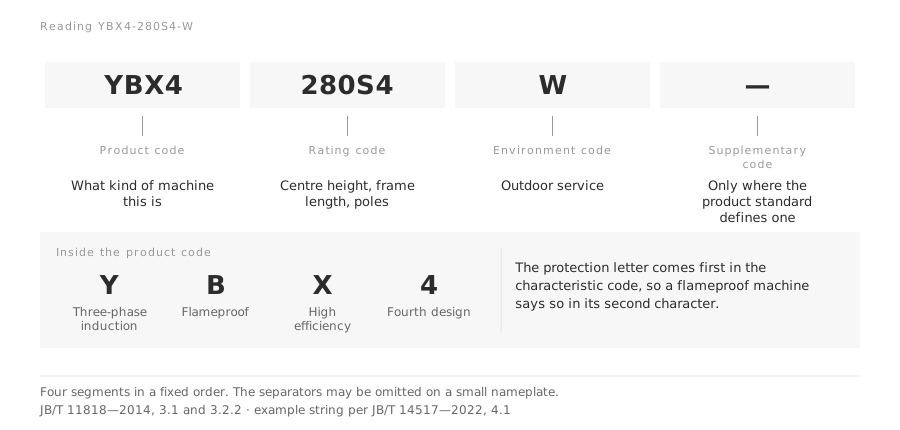
YBX4-280S4-W is four segments in a fixed order, and the second character tells you the protection type before you find the Ex plate.
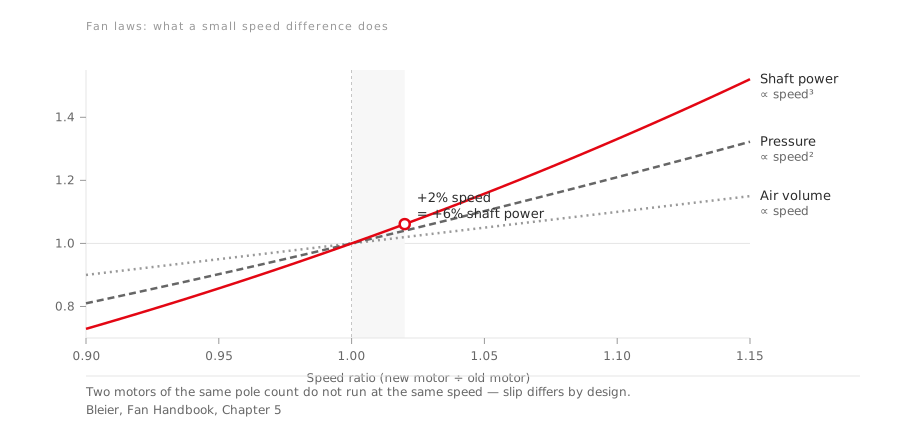
Fan power rises with the cube of speed. A replacement motor running 2% faster asks for about 6% more shaft power, and nothing on the nameplate warns you.
A flameproof enclosure does not keep gas out. It lets the explosion happen inside and cools what escapes, through a gap that is a certified dimension.
Yes, and there is a product standard for it. What it adds is the part buyers rarely ask for: where constant torque stops, and how narrow that window gets.
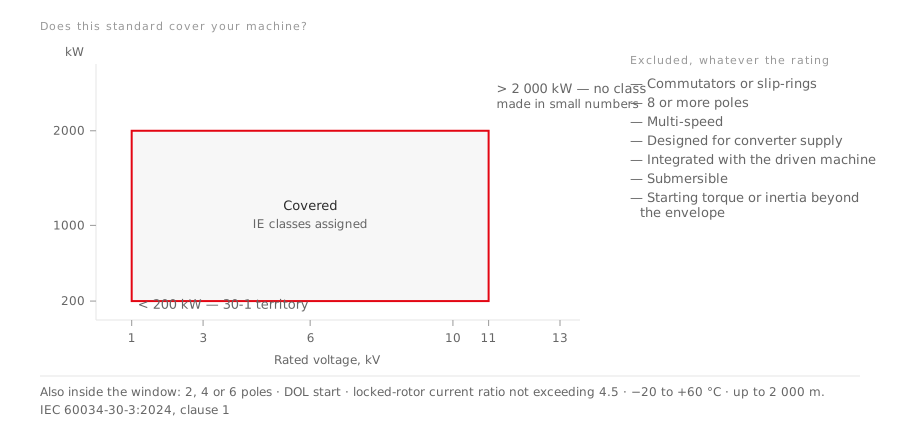
High-voltage cage motors do get IE classes — between 200 and 2000 kW, above 1 kV to 11 kV, on two, four or six poles. Outside that, no class exists.
Converter-fed efficiency is tested against a standardised reference converter — good for comparing designs, not a prediction for your drive.
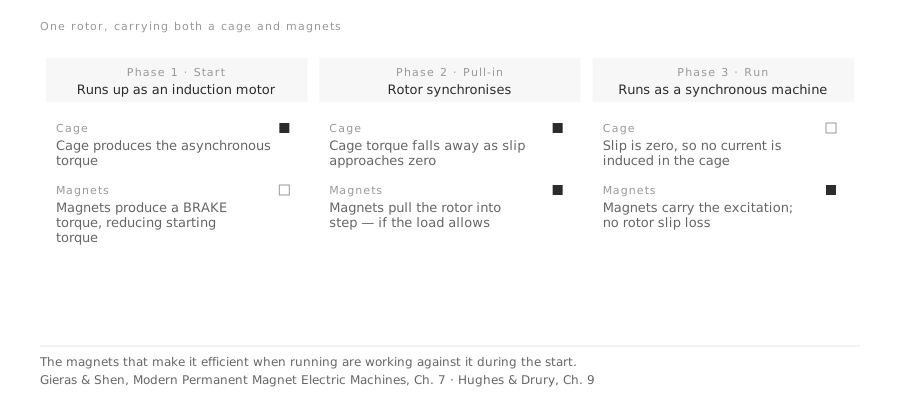
A rotor carrying both a cage and magnets starts like an induction motor and runs synchronously. The catch is what the magnets do during the start.
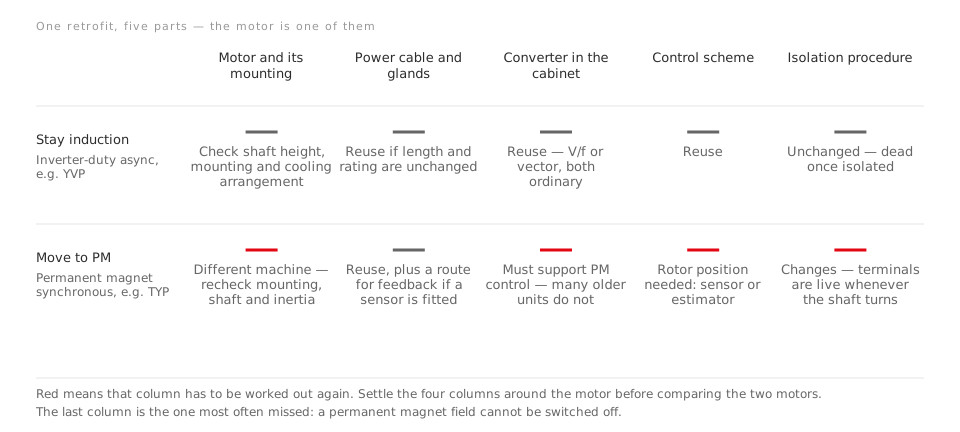
An existing variable-speed drive is five parts, not one. Which of them a motor swap puts back in play is what decides this — not the motor comparison.
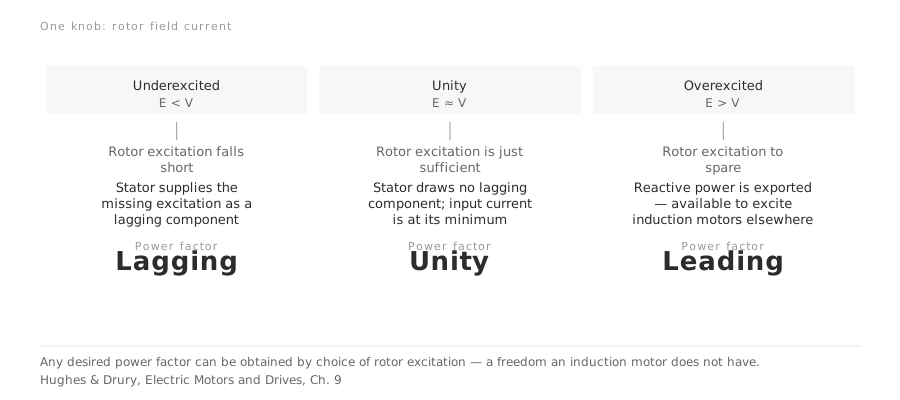
Exact synchronous speed is the least interesting thing about these machines. What earns them a place is that you can choose the power factor.
Two marking systems, two rotation conventions, and one of them does not define rotation at all. Which one is on your terminal block changes what you can assume.
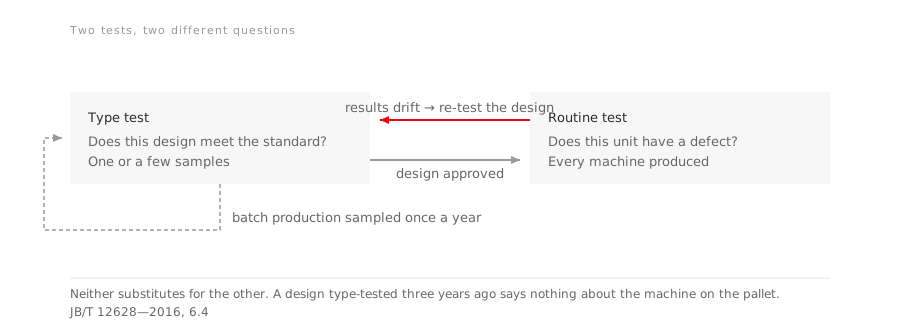
One proves the design, on a sample. The other proves this unit left the factory without a defect. Asking for "the test report" gets you whichever they have.
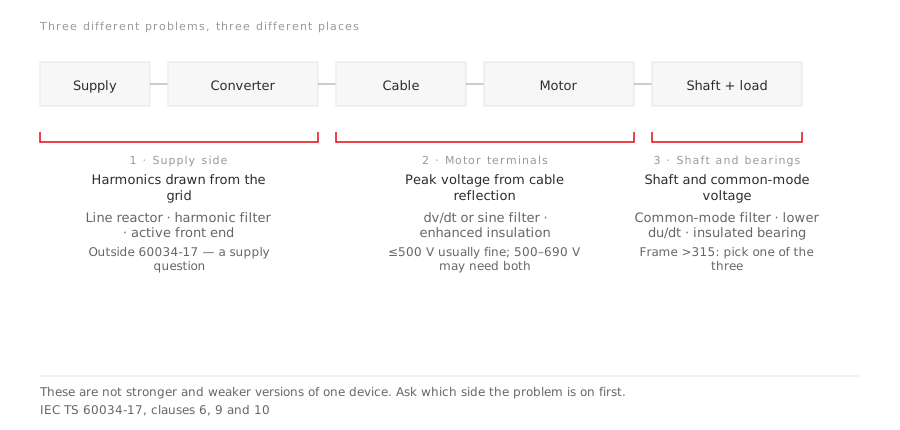
Line reactors, dv/dt filters and insulated bearings are not stronger versions of one device. They fix three different problems in three different places.
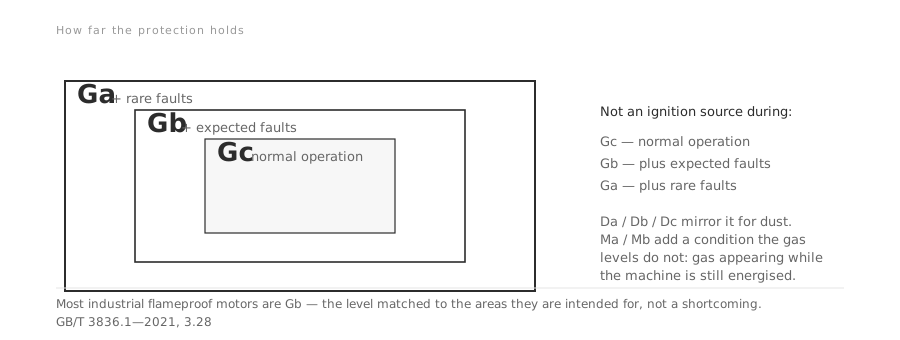
The area classification comes first, the nameplate later. Here is the zone-to-protection-level correspondence, from the installation standard.
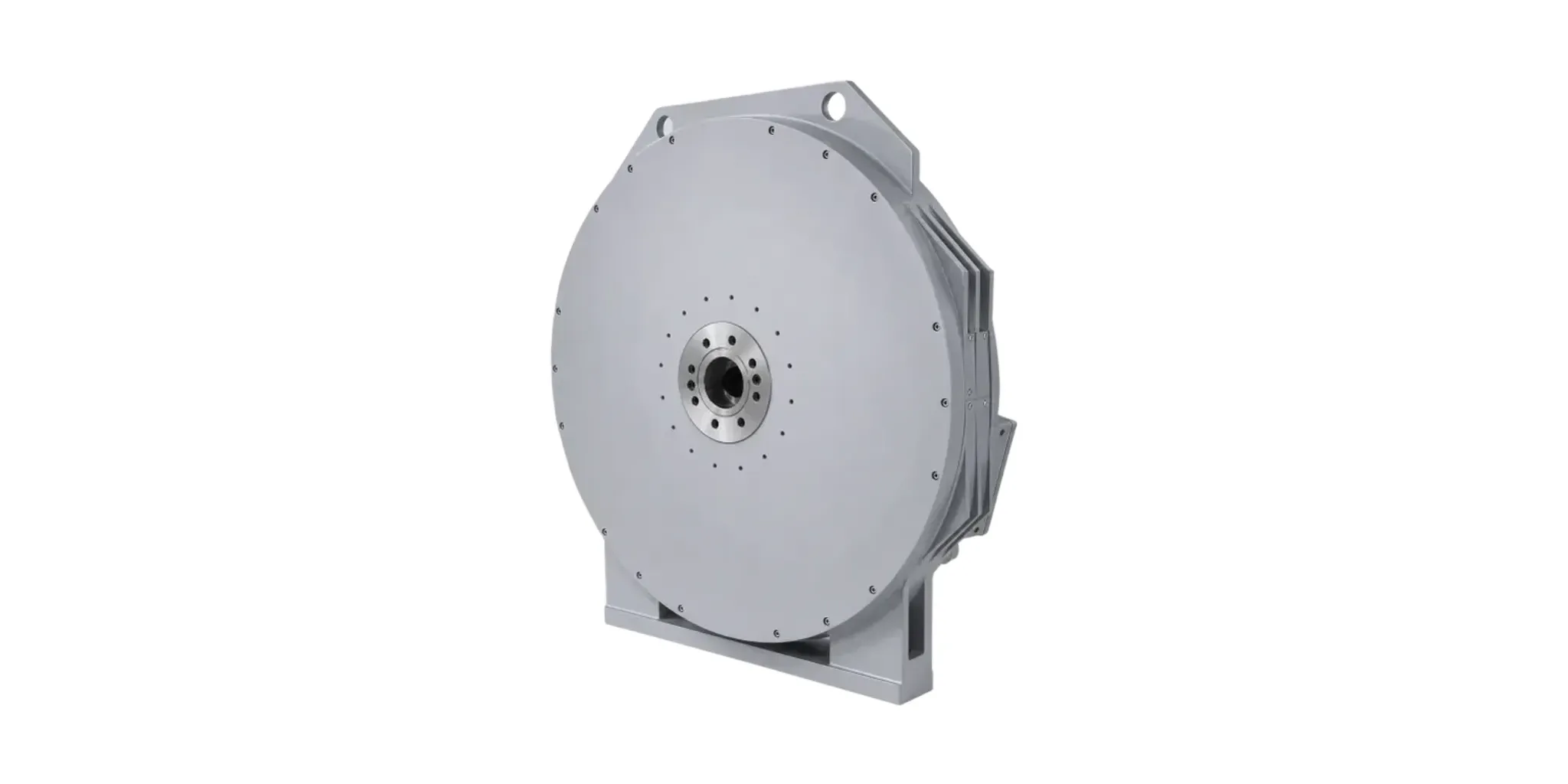
Three lift methods, three different motor problems. The load shape decides the machine — and on two of the three, the rating is set by starting, not running.
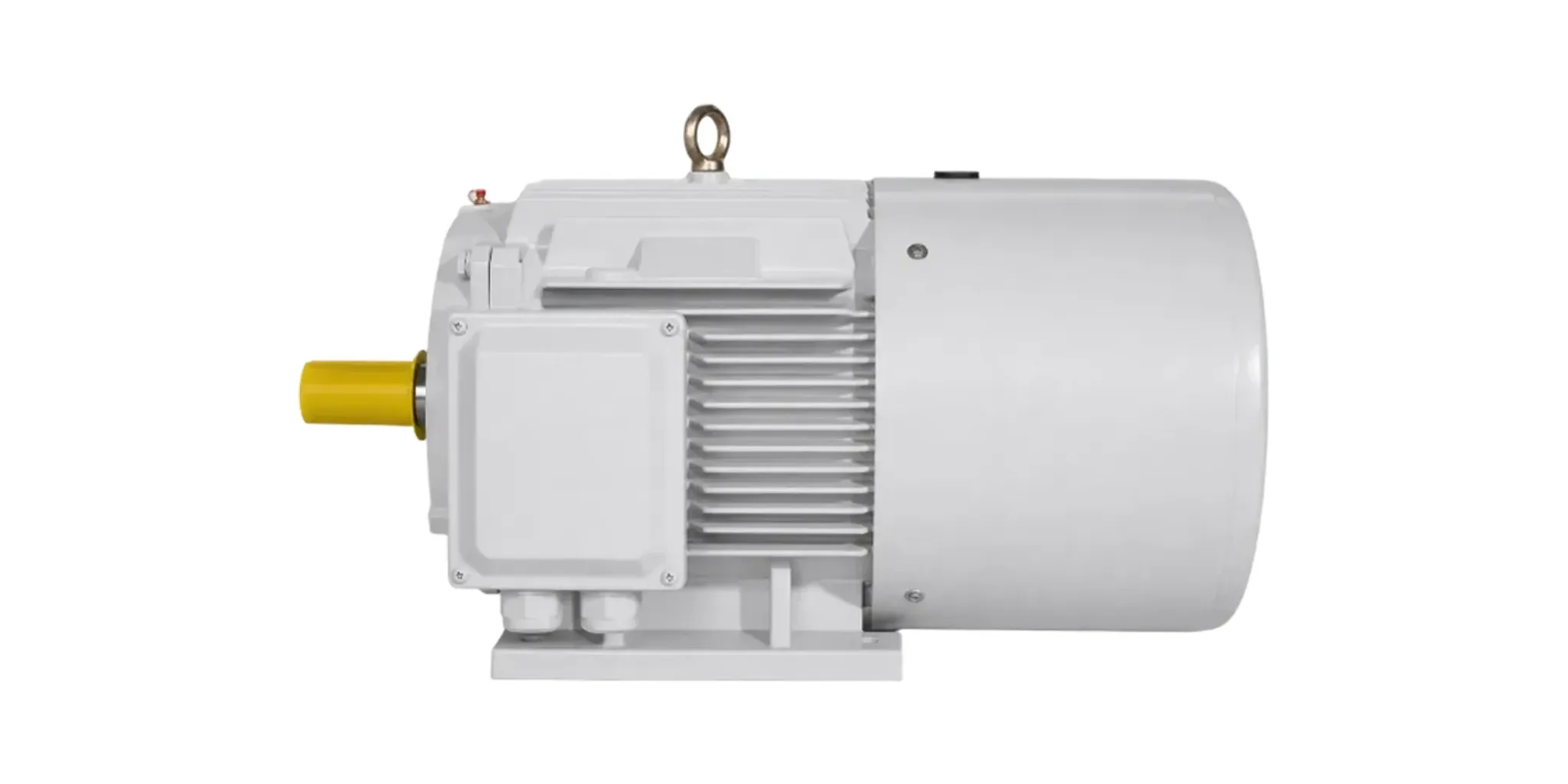
The brake is the part that works when the power does not. Everything follows from that inversion — including a wiring choice most people get wrong.
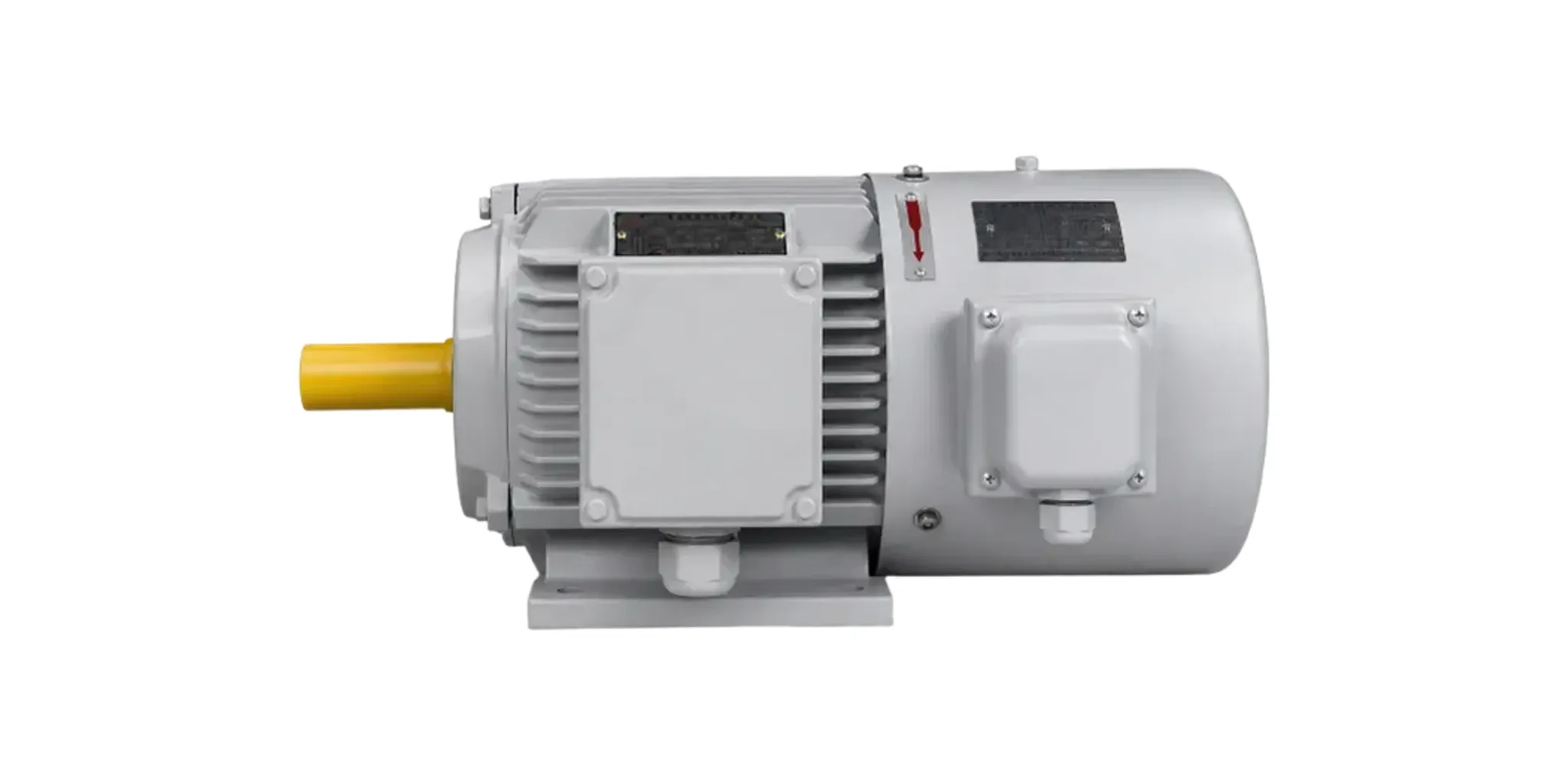
Three loads on one rig floor, and three different motor problems. One of them spends part of its cycle generating rather than consuming.
Three efficiency classes can appear on one variable speed drive, and they are not the same scale. The motor class tells you least about the bill.
The last segment of an Ex marking says under which fault conditions the protection holds — and it is not the lowercase letter earlier in the string.
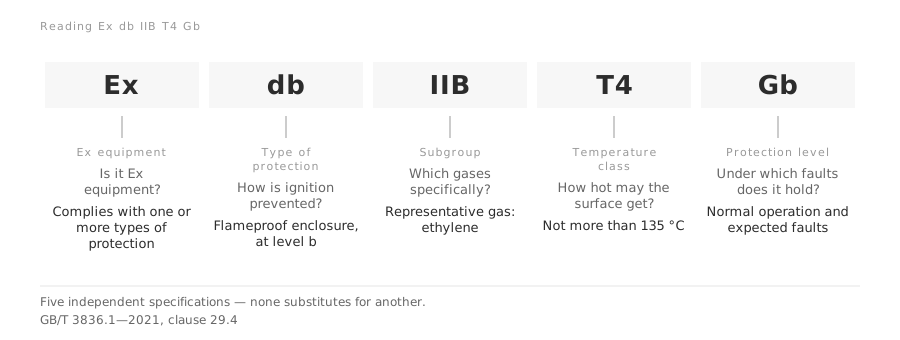
Ex db IIB T4 Gb is five separate decisions written as one string. Each segment answers a different question, and none substitutes for another.
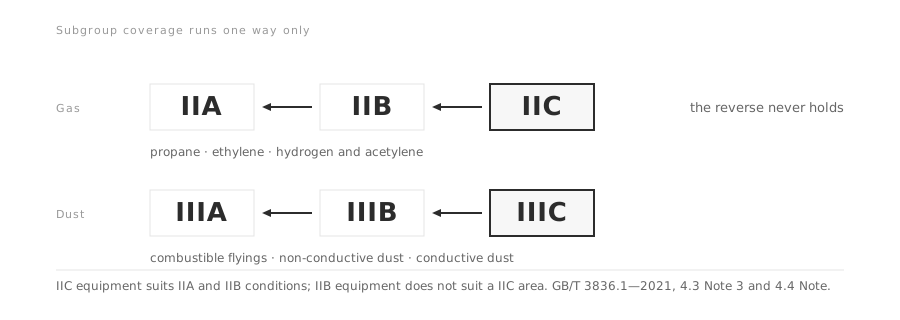
The subgroups work in one direction only. IIC equipment covers IIA and IIB areas; IIB equipment does not cover a IIC area, and no margin argument changes that.
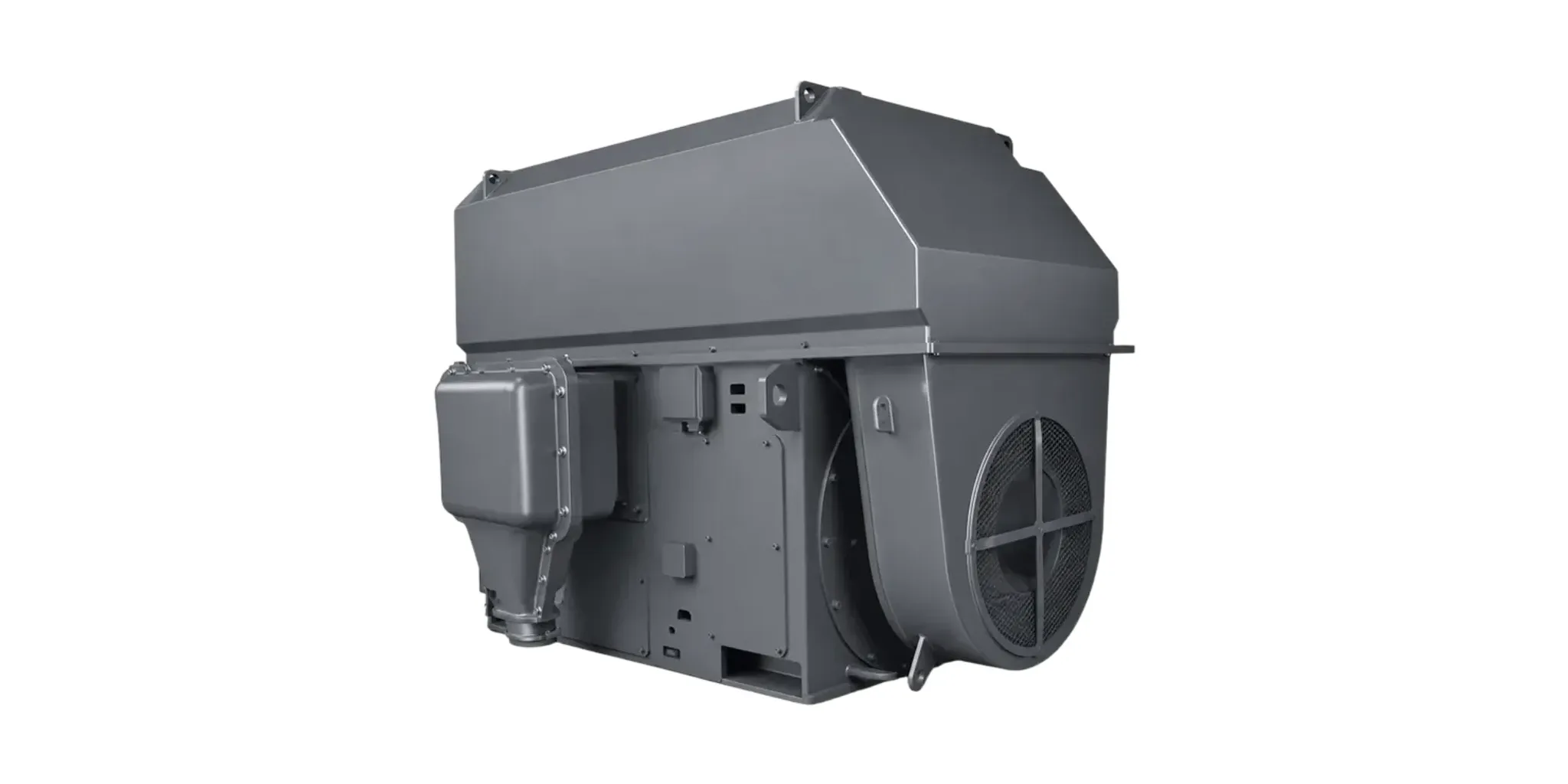
Two compressor families, two different motor answers. The centrifugal one fails on a specification most enquiries never mention: how long the start takes.
The two systems number in opposite directions, and neither is a label — both are tables of values at a rating. Compare the cells, not the words.
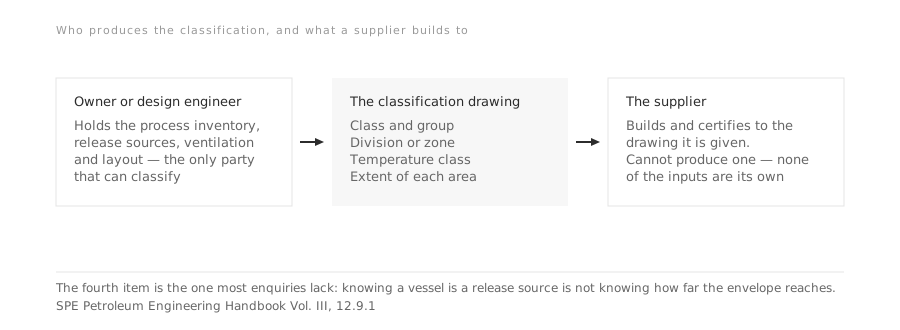
Classification describes the place, not the motor. The owner or designer decides it before any equipment is specified — and the drawing is what you buy against.
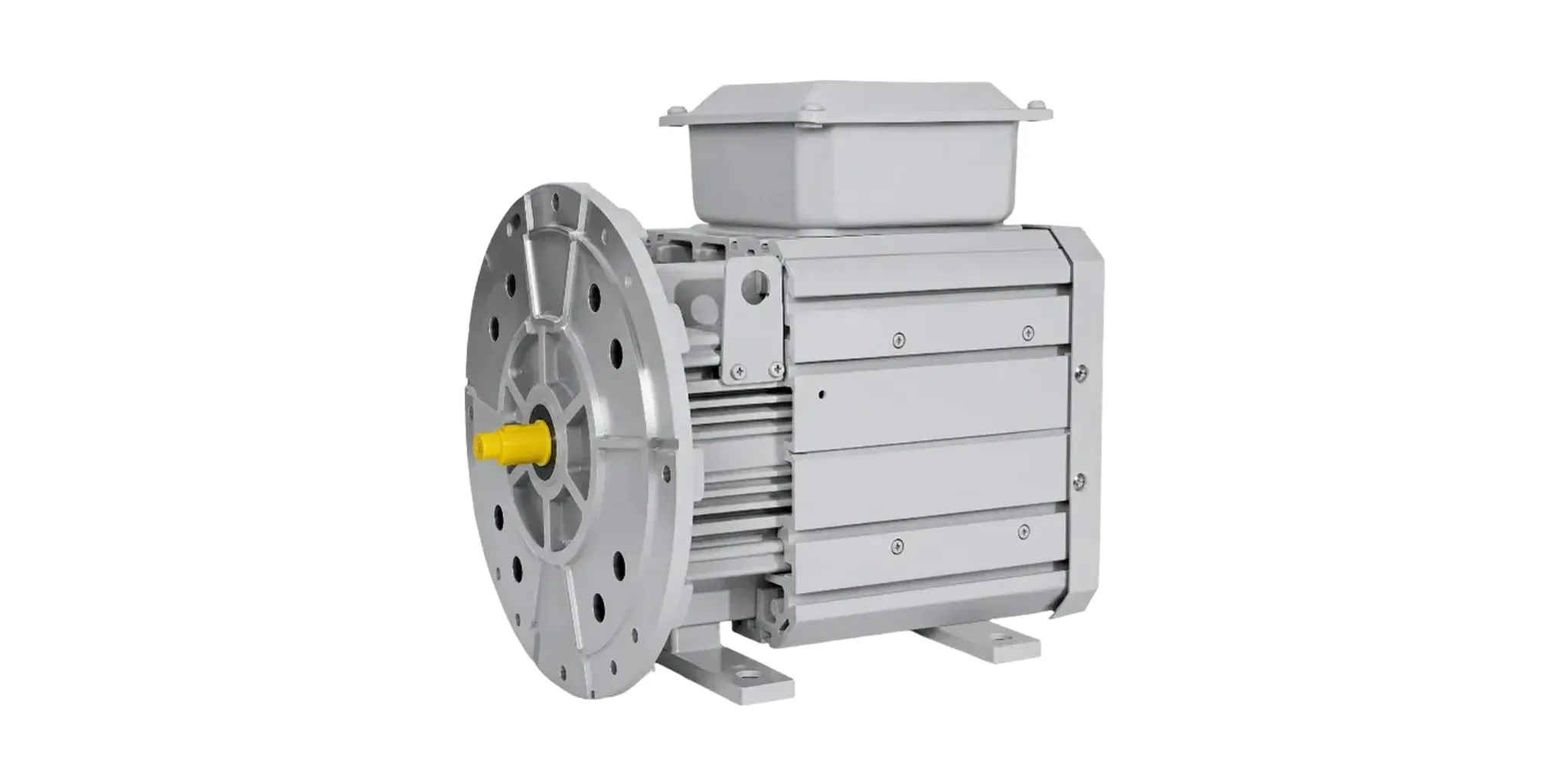
An IPM rotor is electrically salient and a surface-magnet rotor is not. That decides reluctance torque, field weakening and line starting.
If the purchaser does not state a duty, the manufacturer is required to assume S1. That default is wrong for every cyclic load, and it is silent.
IP66 and IP67 are not two rungs of one ladder. One digit is about solids and people, the other about water — and above 6 the ladder stops working.
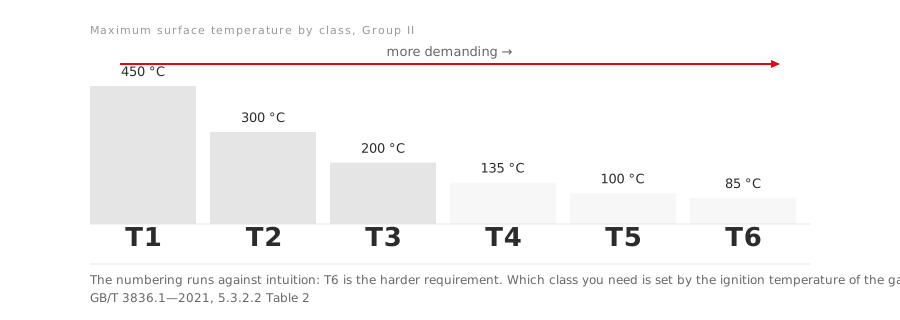
The numbering runs against intuition — T6 is the harder requirement. And the figure that actually decides which class you need is not a property of the motor.
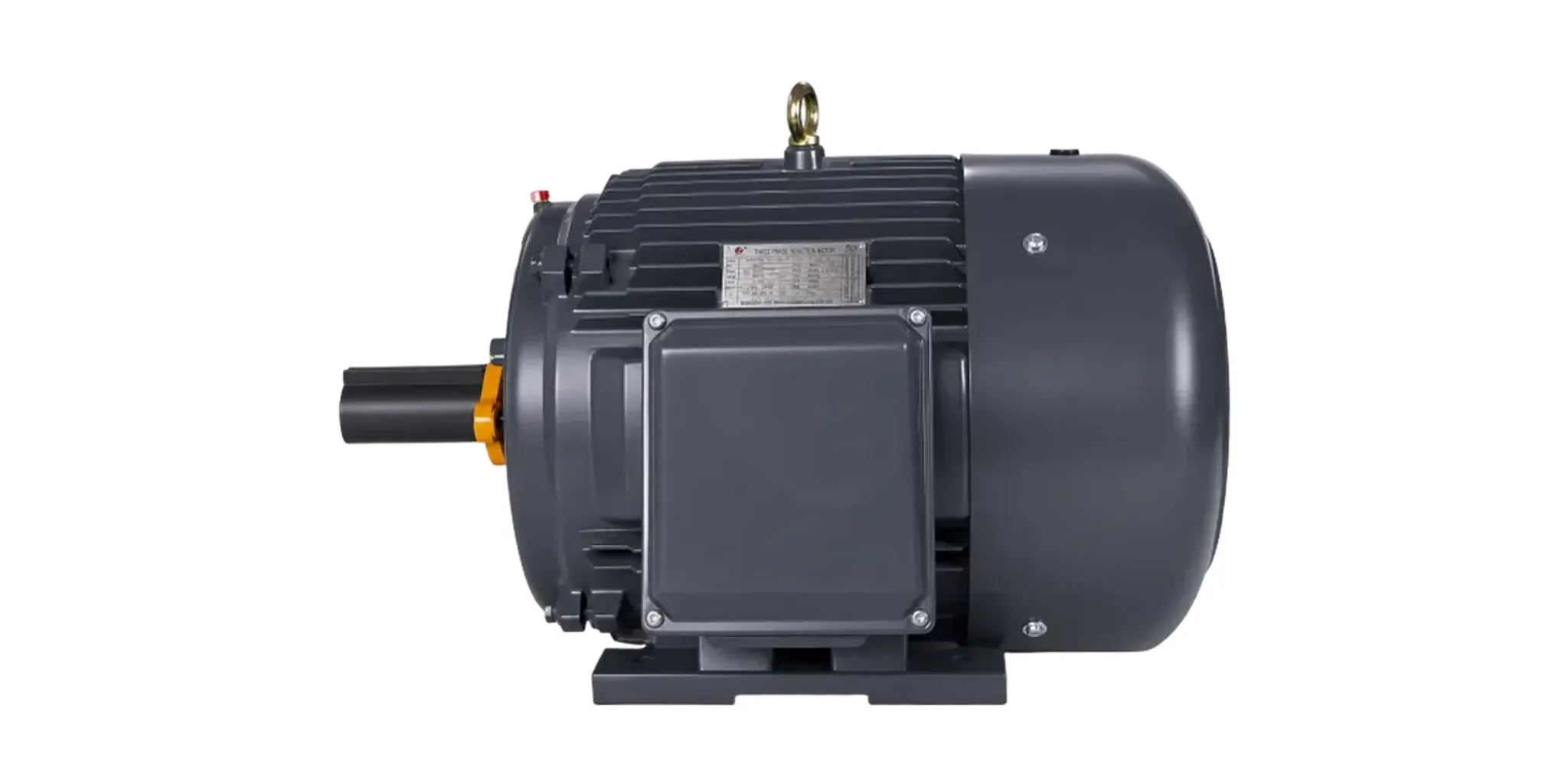
MG 1 is what makes one manufacturer's motor a drop-in for another's. Five things it decides for you — and two IEC systems it carries inside itself.
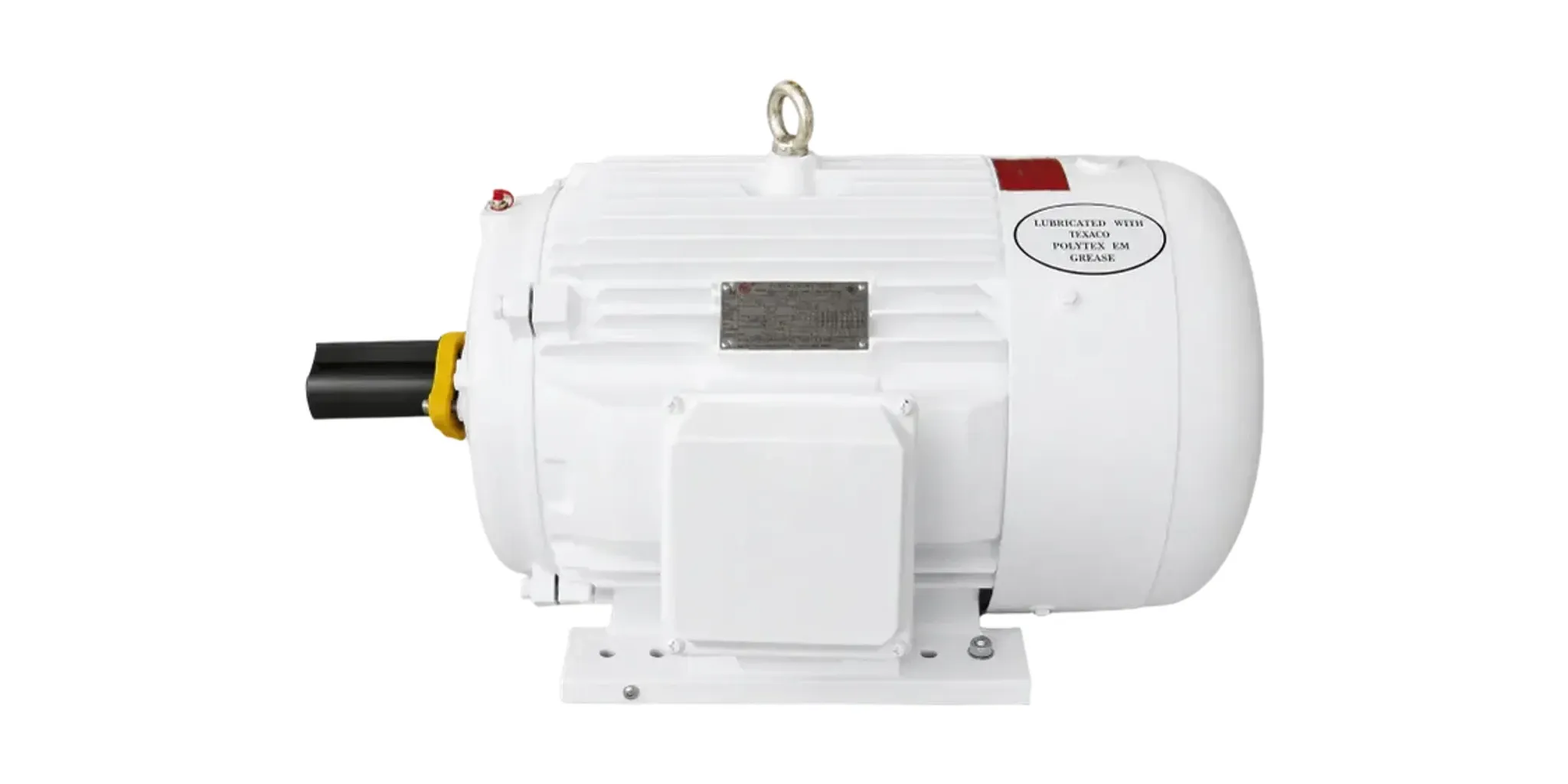
A pumping unit asks for torque twice per stroke and gives some back in between. That load shape, not horsepower, is what selects the motor.
It looks like the easiest duty in the field — constant load, steady flow. Then you learn that capacity is changed by switching whole pumps in and out.
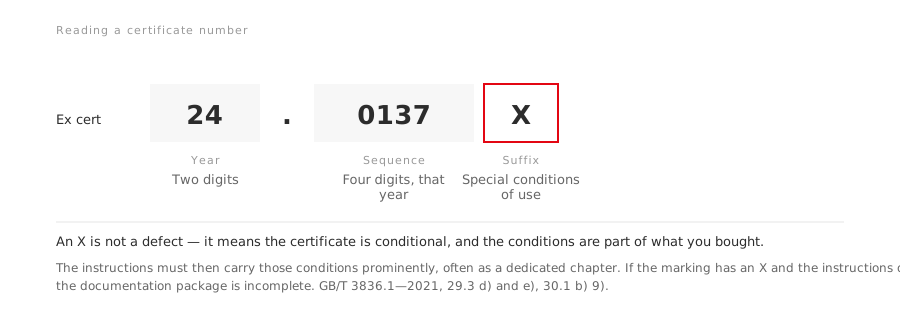
A certificate covers a model and rating, not a product family. Five checks — and the one suffix that changes what you may do with the motor.
TEFC describes an enclosure and a fan. It does not say how much dust or water the motor keeps out — that is the IP rating, specified separately.
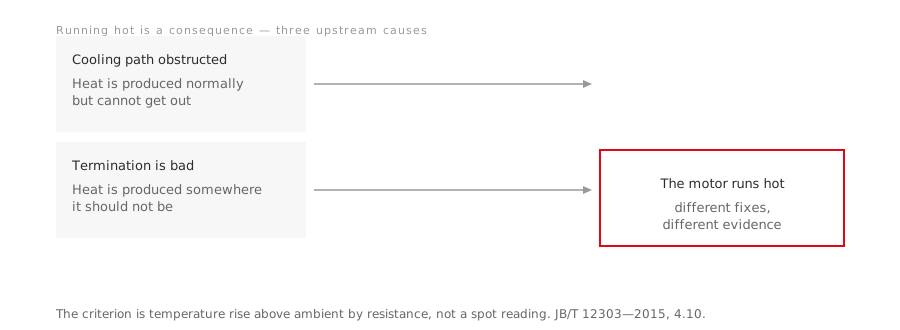
Running hot is not a fault, it is a consequence. And "you can still touch it" is not a criterion — the standards measure rise above ambient, not temperature.
A real manual audit found an electrical hazard formatted with the same visual weight as a packaging note. Here is what ANSI Z535 signal words fix.
ATEX, IECEx and NEC Class/Division certify the same physics through three different paperwork systems. Here is how they map, and how to pick the right motor.
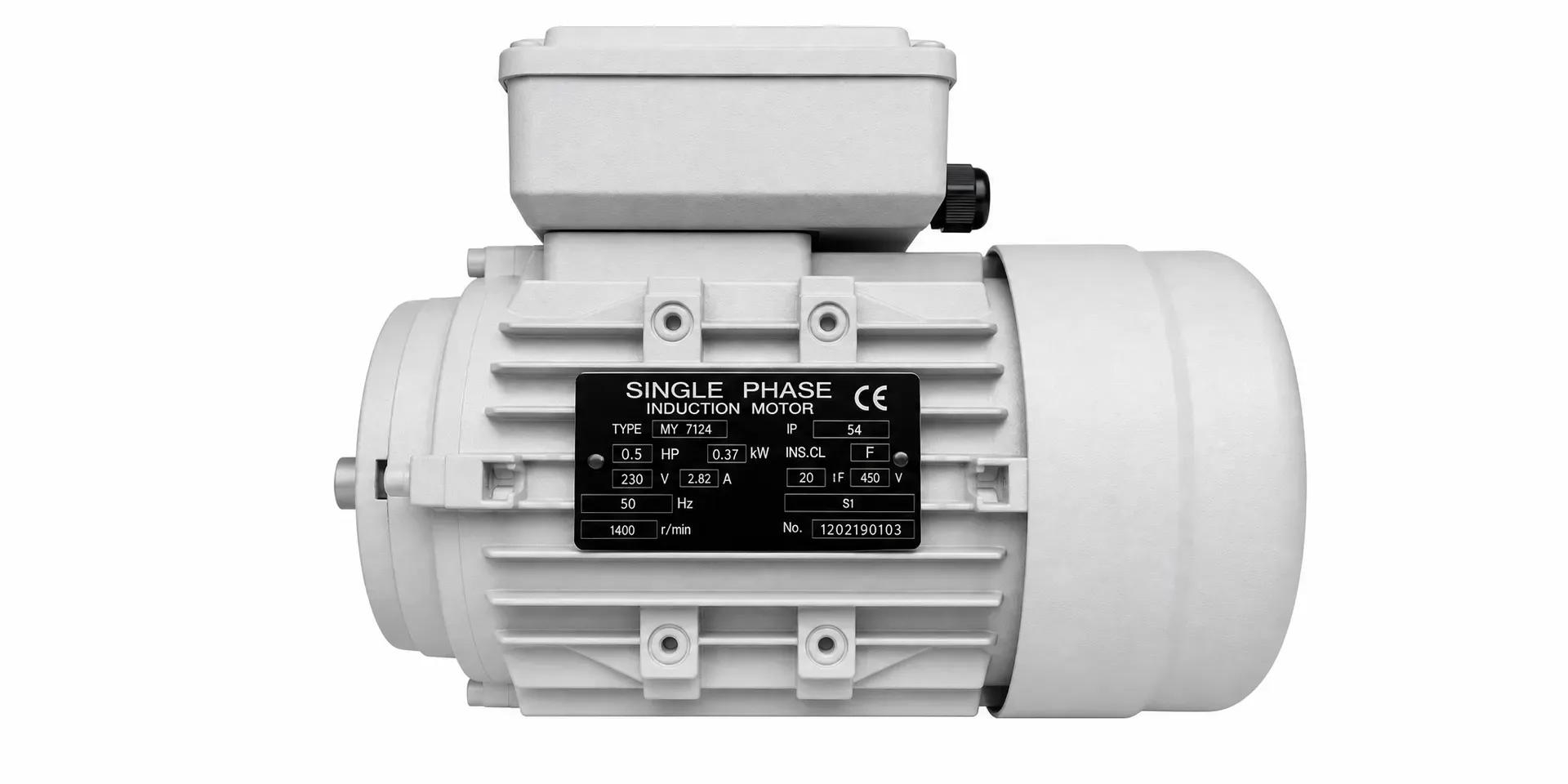
A clamp meter and a published full-load current table are enough to catch an inflated horsepower rating. Here is the method, with worked numbers.
Delivery time moves motor buyers between suppliers more reliably than price does. Here is how to check whether a lead time claim is real before you order.
Distrust of Chinese motor suppliers tracks four specific, checkable patterns, not the country of origin itself. Here is what each one is and how to verify it.
Overheating and demagnetisation dominate mining motor failure talk. One of the two is specific to permanent-magnet machines and must be designed out early.
A cement plant runs 150+ motors across four process stages. Three retrofit routes carry measured savings; which one fits depends on what is installed.
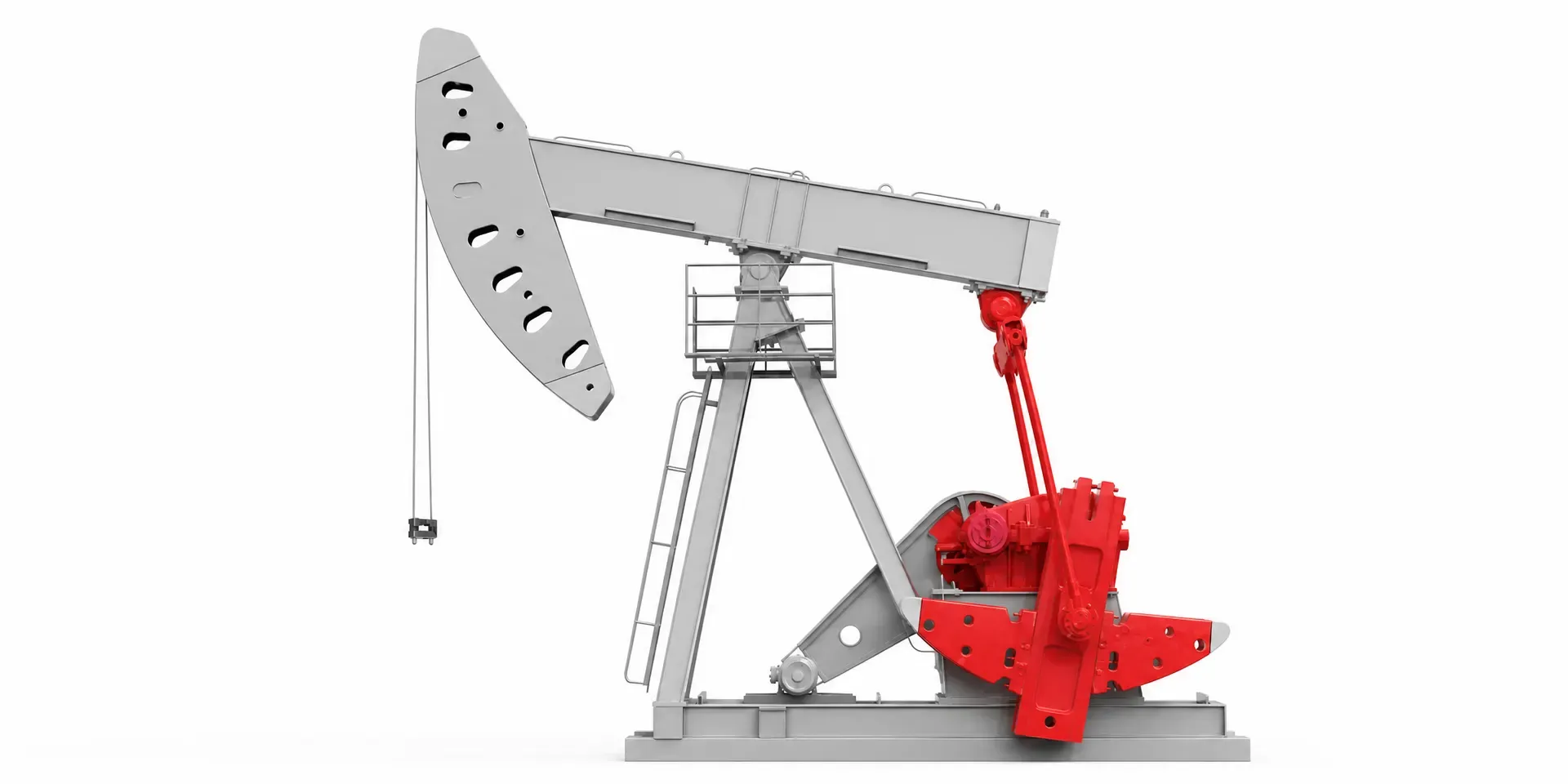
Sizing a beam pump motor is not a power-table lookup. Get the stroke load, the drive topology and the site check right — and in that order.
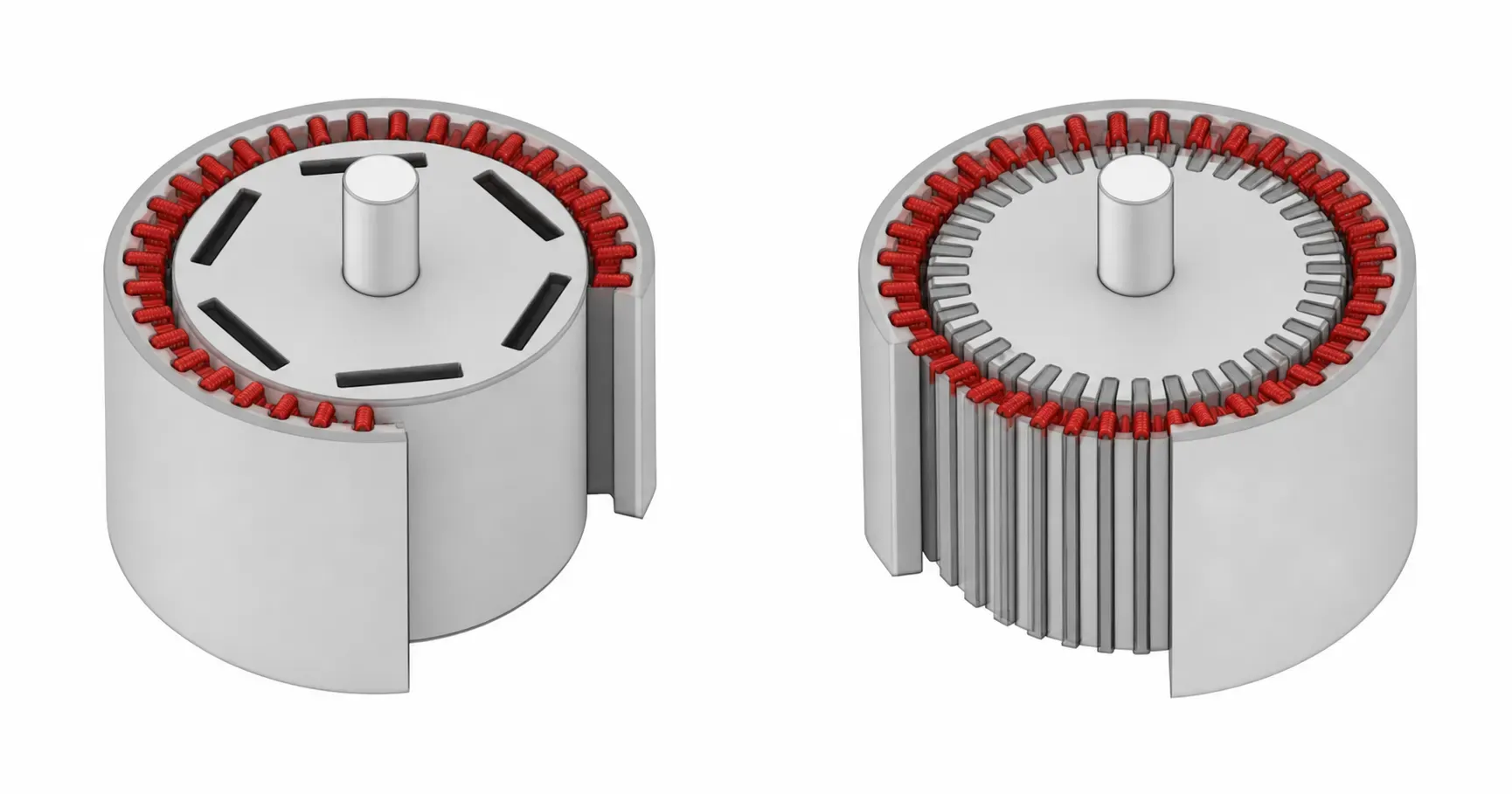
Where permanent-magnet synchronous motors genuinely beat induction motors in oilfield service, where they do not, and the demagnetisation limit that decides it.