
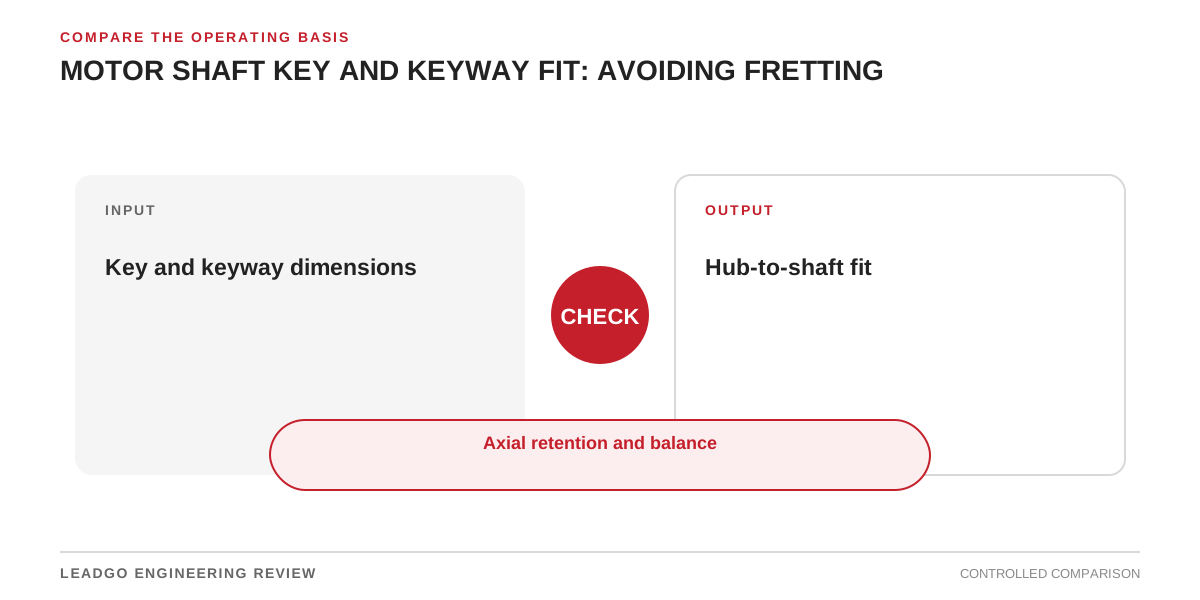
The key, keyway and hub must be reviewed as one torque-transmitting interface; matching nominal dimensions alone does not prove a sound fit. Fretting, looseness and assembly damage often begin at the combined fit between shaft, key and hub rather than in one part by itself.
The question behind the specification
A useful review begins with the driven equipment, the supply and control arrangement, the mechanical interface and the site condition. Confirm the drawing tolerances, contact surfaces, key retention and assembly method for the exact shaft and hub. If one of those inputs is still open, mark it as an assumption instead of hiding it inside a general note.
This matters because the motor is only one part of the drive train. The equipment owner defines the duty and acceptance criteria; the motor supplier confirms what the offered design can deliver. Keeping those responsibilities separate makes technical questions easier to close.
Build the review from evidence
| Step | Review point | Why it matters |
|---|---|---|
| 1 | Key and keyway dimensions | Compare width, height, corner condition and usable length against the controlled drawings. |
| 2 | Hub-to-shaft fit | Confirm whether the connection is clearance, transition or interference fit and how it will be assembled. |
| 3 | Axial retention and balance | Check key length, hub position, end restraint and the effect of the installed key on balance. |
What a simple checklist can miss
- Filing a key until assembly feels easy. Uncontrolled hand fitting can remove bearing area and create local movement under load.
- Using a full key during uncoupled running. The balance condition may differ from the one used for the rotor and intended hub.
Leave a traceable decision
The approval record should be short enough to use and detailed enough to audit. Keep the following items with the decision:
- certified shaft and hub drawings
- measured key, keyway and bore dimensions
- assembly and axial-retention record
Where a limit comes from the manufacturer, request confirmation for the exact motor and revision. Where it comes from the plant or driven equipment, identify the responsible engineering owner. Photographs and field measurements are useful supporting evidence, but they should not replace a controlled drawing or test record.
Decision rule
The key, keyway and hub must be reviewed as one torque-transmitting interface; matching nominal dimensions alone does not prove a sound fit. Apply that rule to the complete operating envelope, not only the rated point. If the required evidence is missing, leave the item open and name what must be supplied before manufacture, shipment or energisation.