
Soft foot must be corrected before precision alignment because bolt tightening can distort the frame and invalidate the shaft readings. The symptom may appear as one lifting foot, a bent base, excessive shims or a diagonal twist, and each condition needs a different correction.
Start with the actual machine and site
A useful review begins with the driven equipment, the supply and control arrangement, the mechanical interface and the site condition. Inspect the base and feet cleanly, measure movement at each foot, and repeat the check after the selected shim correction. If one of those inputs is still open, mark it as an assumption instead of hiding it inside a general note.
This matters because the motor is only one part of the drive train. The equipment owner defines the duty and acceptance criteria; the motor supplier confirms what the offered design can deliver. Keeping those responsibilities separate makes technical questions easier to close.
Evidence to collect
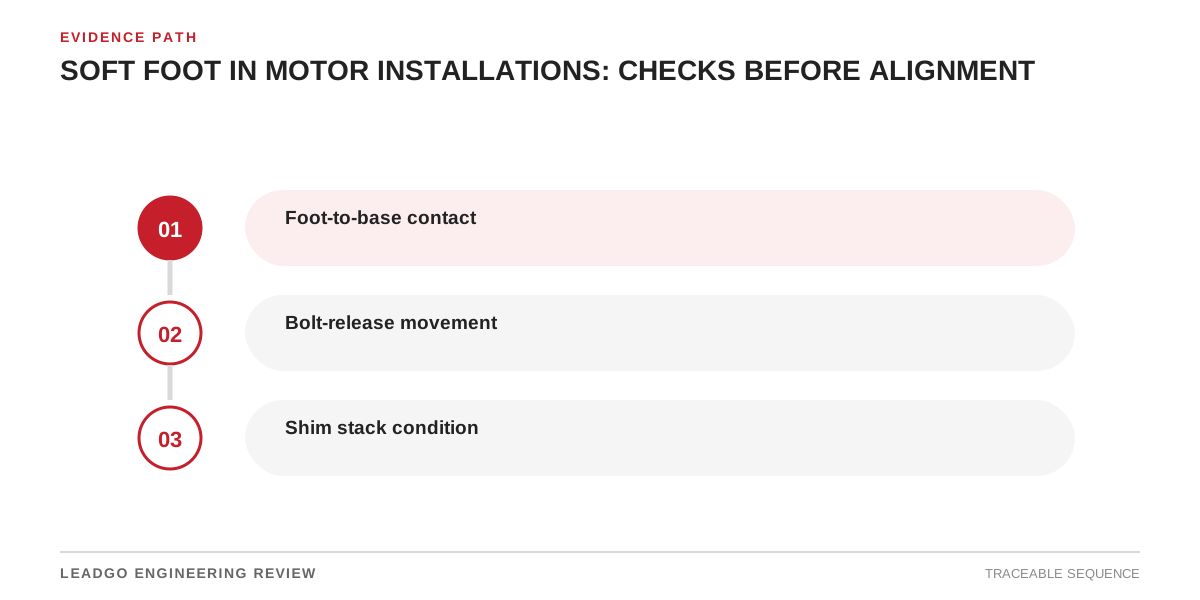
| Step | Review point | Why it matters |
|---|---|---|
| 1 | Foot-to-base contact | Check for paint, burrs, debris, damaged pads and uneven contact under every motor foot. |
| 2 | Bolt-release movement | Measure frame movement as each hold-down bolt is loosened and retightened in a controlled sequence. |
| 3 | Shim stack condition | Verify shim cleanliness, coverage, thickness and stability instead of relying on many small fragments. |
Mistakes that create avoidable risk
- Correcting soft foot with alignment moves. Moving the machine laterally does not remove frame distortion under the feet.
- Ignoring baseplate flexibility. A thin or unsupported base can reproduce the problem after every adjustment.
A practical approval record
The approval record should be short enough to use and detailed enough to audit. Keep the following items with the decision:
- per-foot movement readings before and after correction
- photographs of cleaned contact surfaces and shim stacks
- final bolt sequence and torque record
Where a limit comes from the manufacturer, request confirmation for the exact motor and revision. Where it comes from the plant or driven equipment, identify the responsible engineering owner. Photographs and field measurements are useful supporting evidence, but they should not replace a controlled drawing or test record.
Decision rule
Soft foot must be corrected before precision alignment because bolt tightening can distort the frame and invalidate the shaft readings. Apply that rule to the complete operating envelope, not only the rated point. If the required evidence is missing, leave the item open and name what must be supplied before manufacture, shipment or energisation.