Home/ProductsNEMA Standard

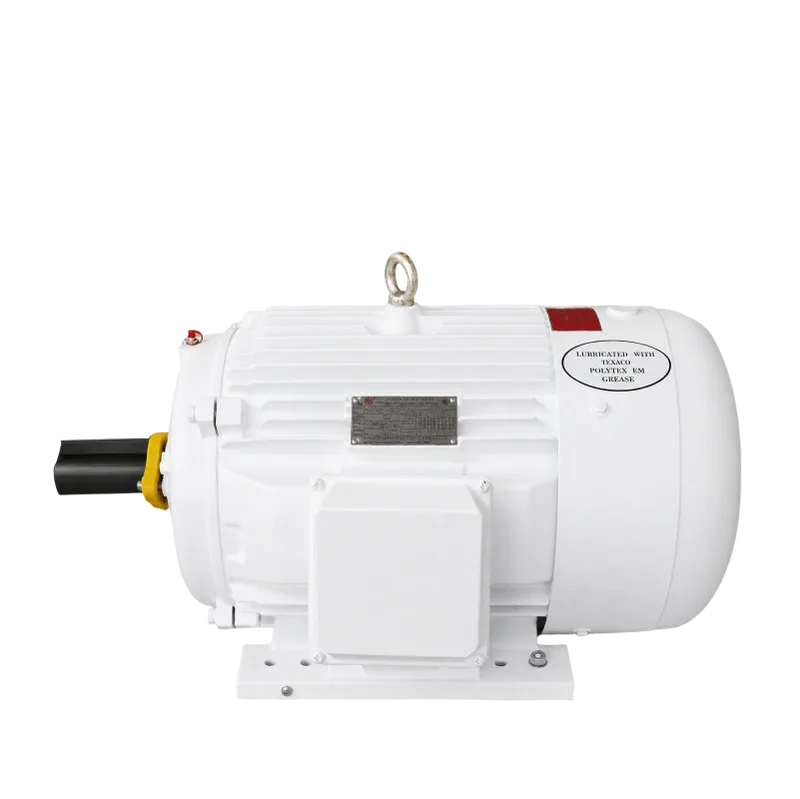
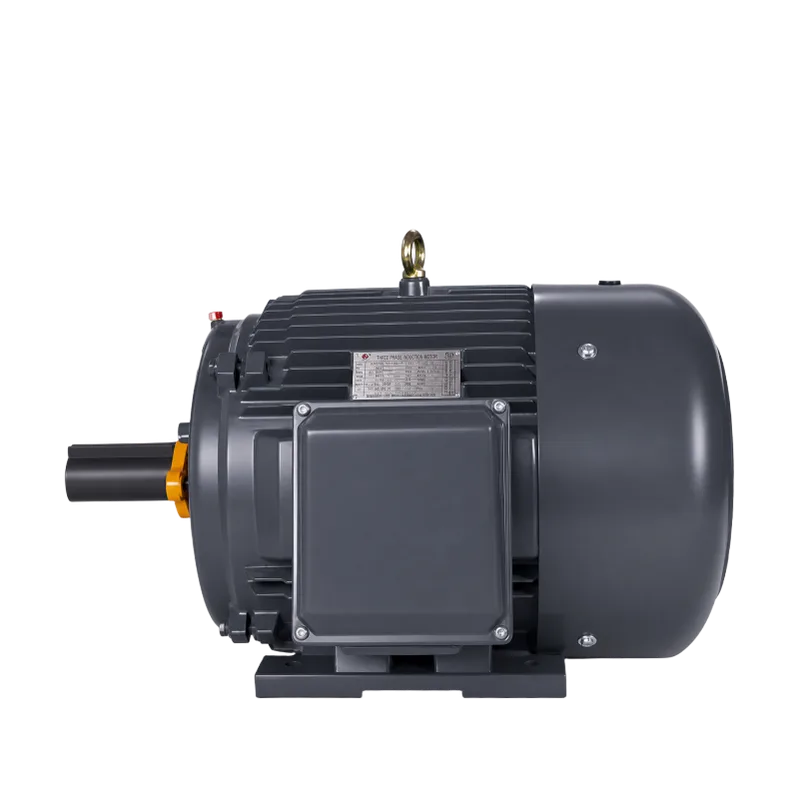
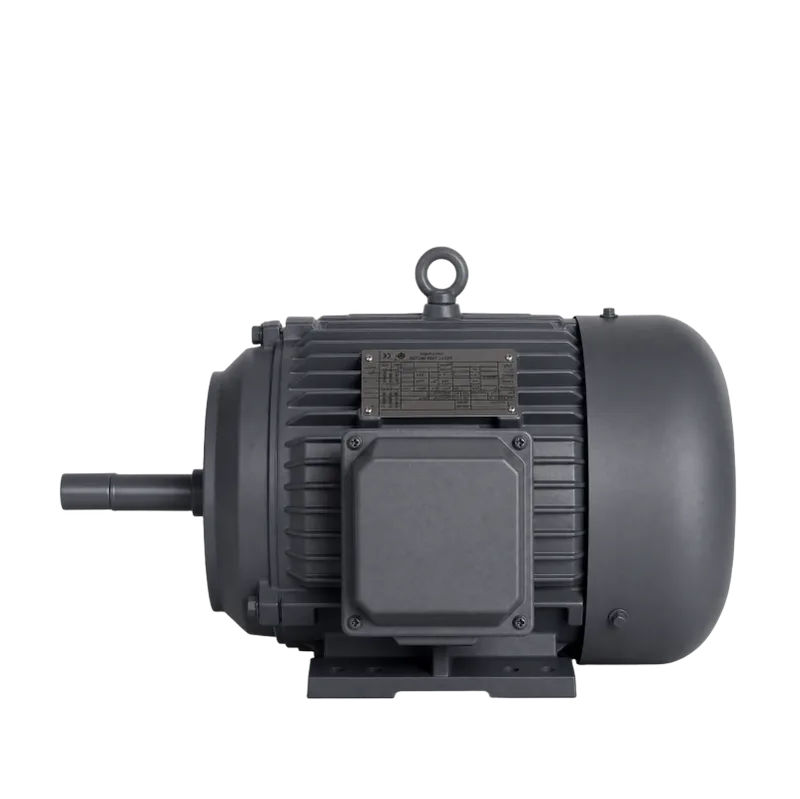
NEMA Standard Motors

Built to the NEMA standard at 60 Hz for the North American market — T-frames, NEMA voltages, CSA and US efficiency certification.
Technical articles on these series

How to Check If a Motor Nameplate's HP Is Inflated

A clamp meter and a published full-load current table are enough to catch an inflated horsepower rating. Here is the method, with worked numbers.

Read

NEMA MG 1 Explained: What the US Motor Standard Covers

MG 1 is what makes one manufacturer's motor a drop-in for another's. Five things it decides for you — and two IEC systems it carries inside itself.

Read

GB 18613, IEC IE and NEMA MG 1: How to Compare

A procurement method for reconciling Chinese efficiency grades, IEC IE classes and NEMA motor-efficiency requirements without false equivalence.

Read

Motor Frame Size vs Power Rating: What the Number Really Means

Why an IEC or NEMA motor frame identifies mechanical dimensions rather than one fixed power rating, and what buyers must verify before replacement.

Read

Same Motor, Different Grid: 50 Hz and 60 Hz

Moving a motor between 50 and 60 Hz changes speed by 20%. What happens next depends on the voltage and on what the motor drives.

Read

What a 1.15 Service Factor Actually Permits

NEMA MG 1 lets you load a 1.15 service factor motor above nameplate, and states the insulation then ages about twice as fast. What that means in practice.

Read

Oilfield Motors Starting at Low Temperature

Practical engineering guidance on oilfield motors starting at low temperature, including the checks, evidence and common mistakes that matter before purchase

Read

Oilfield Voltage Fluctuation and Motor Protection

Practical engineering guidance on oilfield voltage fluctuation and motor protection, including the checks, evidence and common mistakes that matter before pu

Read

Starting a PCP System: Torque and Ramp Time

Practical engineering guidance on starting a pcp system: torque and ramp time, including the checks, evidence and common mistakes that matter before purchase

Read

Pumpjack Torque Curves and Motor Sizing

Practical engineering guidance on pumpjack torque curves and motor sizing, including the checks, evidence and common mistakes that matter before purchase or

Read

Cyclic Loading in Rod-Pump Motors

Practical engineering guidance on cyclic loading in rod-pump motors, including the checks, evidence and common mistakes that matter before purchase or commis

Read

Oil Well Pump Motors: Why NEMA Design D Is Specified

A pumping unit asks for torque twice per stroke and gives some back in between. That load shape, not horsepower, is what selects the motor.

Read

Pumpjack Motor Troubleshooting: From Noise to Nuisance Trips

A field triage framework for pumpjack motor noise, vibration, overheating and trips that separates motor faults from the pumping-unit load.

Read

Comparing across families, or filtering by power, voltage and protection?See the full range with filters. If the duty falls outside what these series publish, tell us the application — custom builds cover ratings the standard series do not.