Home/ProductsPermanent Magnet

Permanent Magnet Synchronous Motors

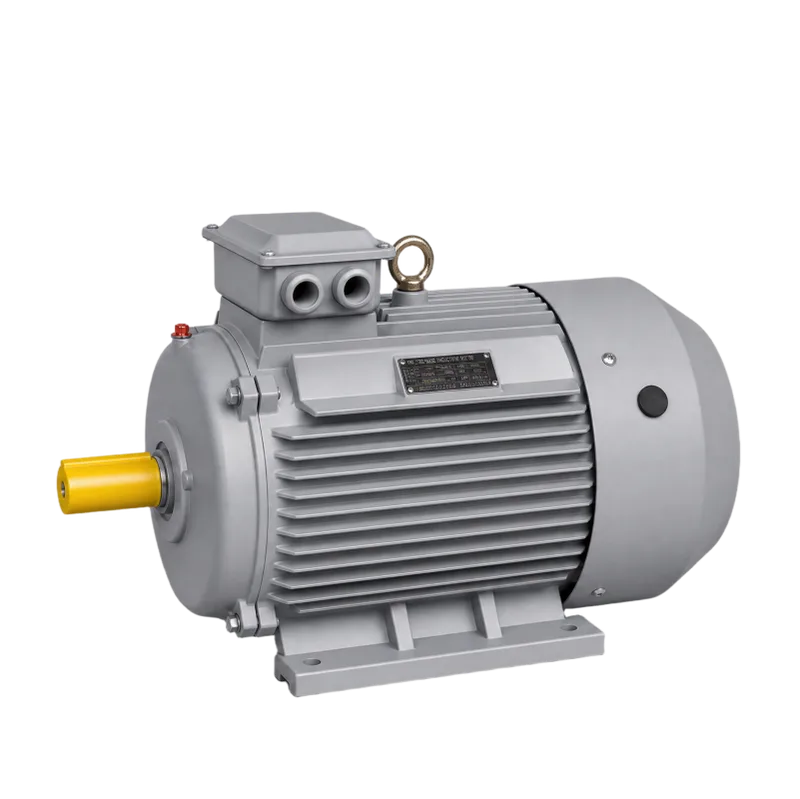
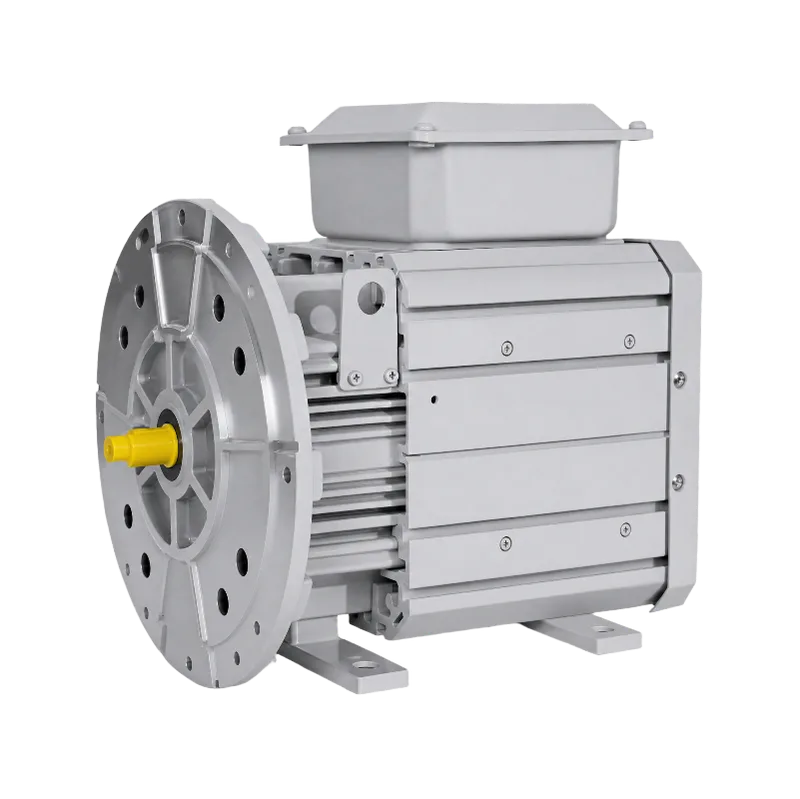
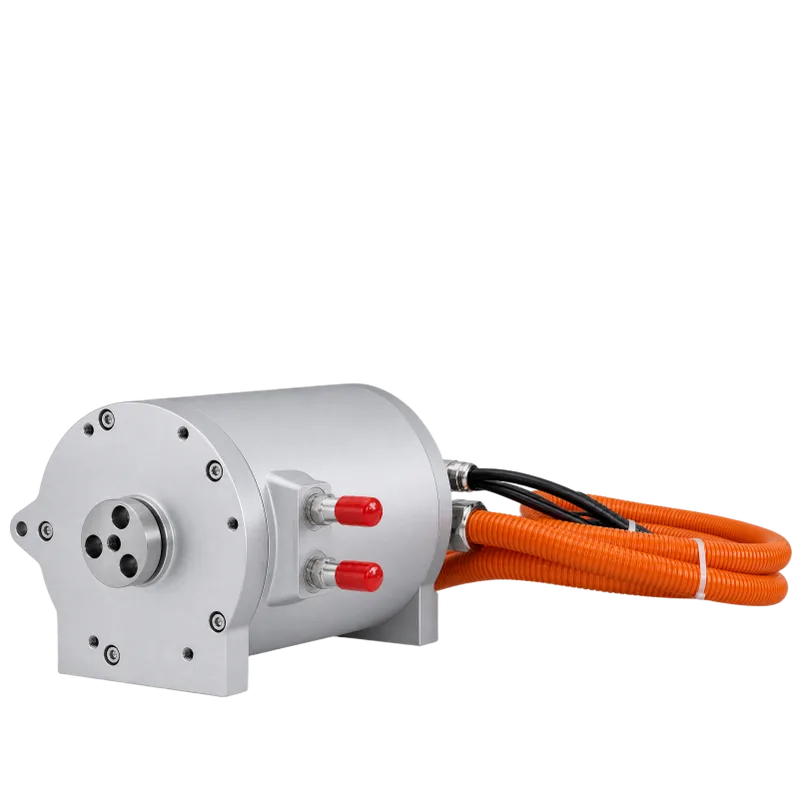
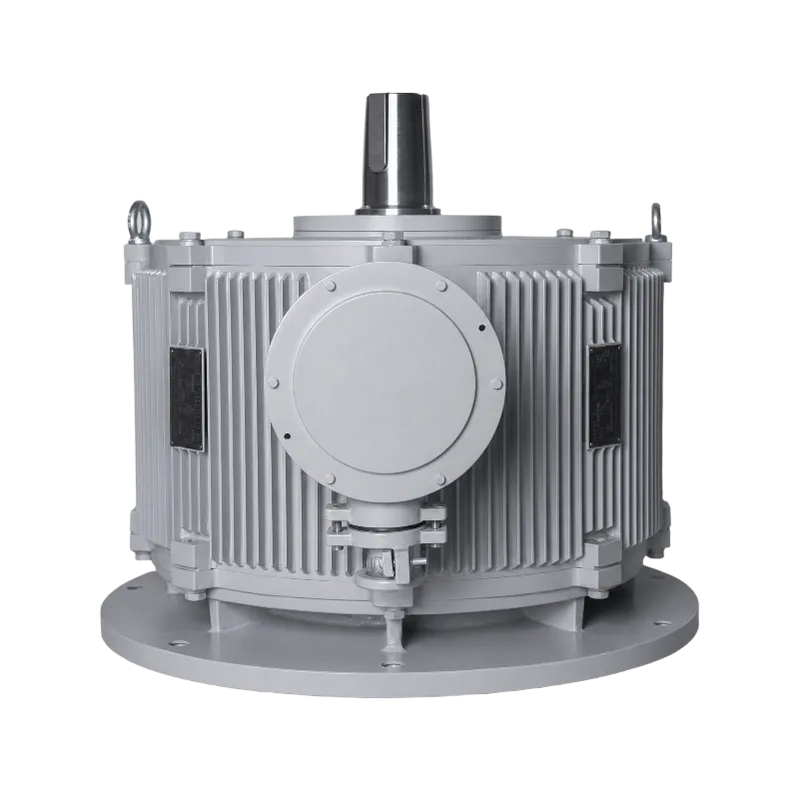
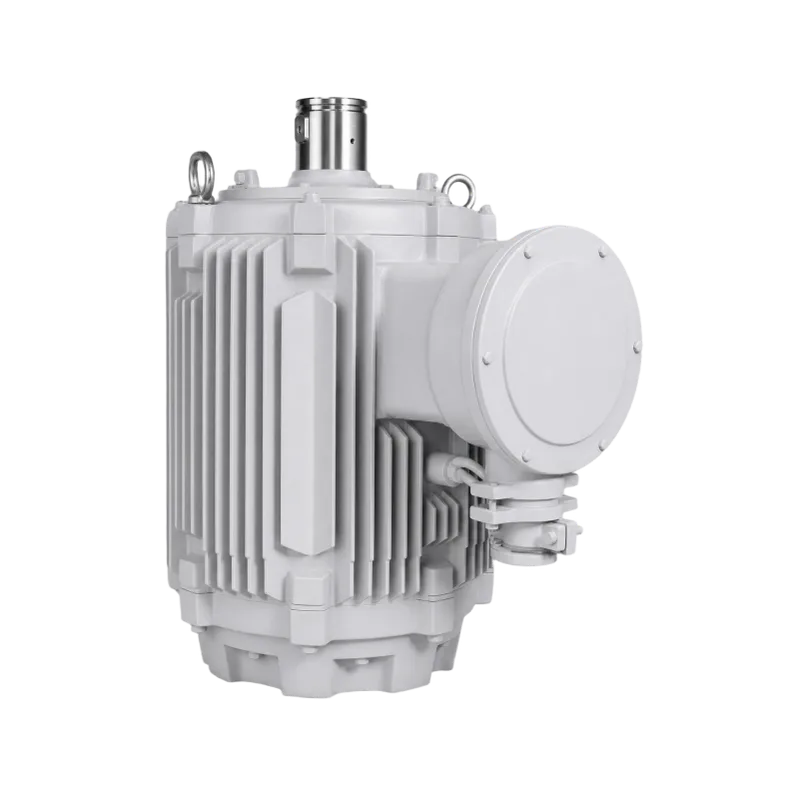
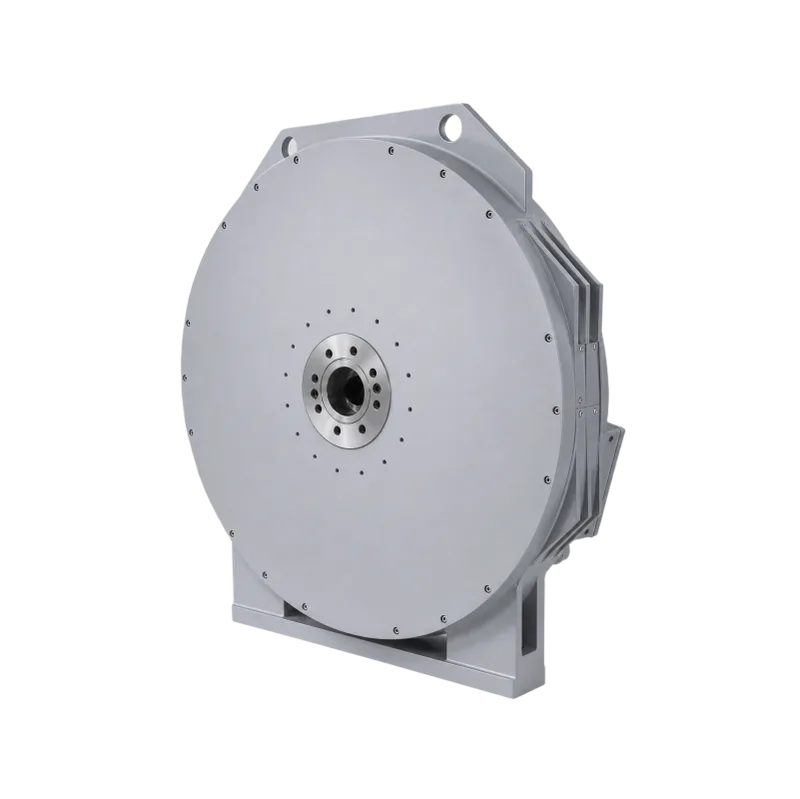
Permanent magnet synchronous machines from line-start general purpose through high-speed direct drive and low-speed gearless drive systems.
Technical articles on these series

LEADGO Permanent-Magnet Motor Families: How to Choose

A buyer map of LEADGO permanent-magnet motor families by starting method, speed control, load type, mechanical arrangement and site conditions.

Read

Permanent-Magnet Motor Questions Buyers Ask Before Ordering

Straight answers about PMSM drives, starting, field weakening, demagnetization, maintenance, efficiency and replacement decisions.

Read

Interior Permanent Magnet Motors vs Surface Magnet Rotors

An IPM rotor is electrically salient and a surface-magnet rotor is not. That decides reluctance torque, field weakening and line starting.

Read

PM Motor Demagnetization: Causes and Prevention

What causes demagnetization in a permanent-magnet motor, why no single temperature defines the limit, and how buyers can prevent and diagnose it.

Read

Permanent Magnet vs Induction Motors in Oilfield Duty

Where permanent-magnet synchronous motors genuinely beat induction motors in oilfield service, where they do not, and the demagnetisation limit that decides it.

Read

Cement Decarbonisation: Where Motor Upgrades Actually Pay

A cement plant runs 150+ motors across four process stages. Three retrofit routes carry measured savings; which one fits depends on what is installed.

Read

Motor Failure Modes in Mining, Ranked by How Often They Come Up

Overheating and demagnetisation dominate mining motor failure talk. One of the two is specific to permanent-magnet machines and must be designed out early.

Read

Cogging Torque in Permanent-Magnet Motors

Practical engineering guidance on cogging torque in permanent-magnet motors, including the checks, evidence and common mistakes that matter before purchase o

Read

Encoder Selection for PMSM Drives

Practical engineering guidance on encoder selection for pmsm drives, including the checks, evidence and common mistakes that matter before purchase or commis

Read

Field Weakening in a PMSM

Practical engineering guidance on field weakening in a pmsm, including the checks, evidence and common mistakes that matter before purchase or commissioning.

Read

How Permanent-Magnet Motors Start

Practical engineering guidance on how permanent-magnet motors start, including the checks, evidence and common mistakes that matter before purchase or commis

Read

Induction Motor Slip: Why PMSM Rotors Stay in Sync

Why an induction motor needs slip to produce rotor current and torque, while a permanent-magnet synchronous motor follows the rotating field.

Read

Line-Start PM Motors: Permanent Magnet Efficiency Without a Drive

A rotor carrying both a cage and magnets starts like an induction motor and runs synchronously. The catch is what the magnets do during the start.

Read

Oilfield Electric Drive vs Gas Engine: A Decision Framework

A practical framework for comparing electric motors and field-gas engines on pumpjacks and other oilfield surface equipment.

Read

PMSM Commissioning Checklist

Practical engineering guidance on pmsm commissioning checklist, including the checks, evidence and common mistakes that matter before purchase or commissioni

Read

Efficiency Grades for Permanent-Magnet Synchronous Motors

How buyers should read Chinese PMSM efficiency grades, test scope and operating-point data without confusing a motor class with system efficiency.

Read

Rotating Magnetic Field: How a Three-Phase Motor Stator Works

See how three-phase stator currents combine to create a rotating magnetic field, why phase sequence sets direction, and how the field drives a motor rotor.

Read

Where Synchronous Machines Are Used, and Why

Exact synchronous speed is the least interesting thing about these machines. What earns them a place is that you can choose the power factor.

Read

What Is a Permanent Magnet Synchronous Motor (PMSM)?

PMSM means permanent magnet synchronous motor: the rotor locks to the stator field, so frequency sets speed. How it works, starts and differs from induction.

Read

Cooling Tower Fan Motor: Direct Drive vs Gearbox Selection

Compare direct-drive and gearbox cooling tower fan systems, including speed, torque, wet-air exposure, bearings, maintenance and motor selection.

Read

Sensorless Control: When You Can Skip the Encoder

Back-EMF estimation weakens at low speed, while signal injection depends on motor saliency and drive capability. Here is when an encoder still matters.

Read

High-Speed PM Motor vs Roots Blower: Compare the Air System

A system-level comparison of high-speed permanent-magnet centrifugal blowers and Roots blowers for industrial air applications.

Read

Screw Compressor Motors: High-Speed PM or Conventional Drive?

A practical comparison of high-speed permanent-magnet and conventional motor arrangements for industrial screw-compressor packages.

Read

Artificial Lift Motors: Beam Pump, PCP and ESP Compared

Three lift methods, three different motor problems. The load shape decides the machine — and on two of the three, the rating is set by starting, not running.

Read

How to Size a Motor for a Beam Pump: A Three-Step Guide

Sizing a beam pump motor is not a power-table lookup. Get the stroke load, the drive topology and the site check right — and in that order.

Read

Oilfield Motors Starting at Low Temperature

Practical engineering guidance on oilfield motors starting at low temperature, including the checks, evidence and common mistakes that matter before purchase

Read

Oilfield Voltage Fluctuation and Motor Protection

Practical engineering guidance on oilfield voltage fluctuation and motor protection, including the checks, evidence and common mistakes that matter before pu

Read

Starting a PCP System: Torque and Ramp Time

Practical engineering guidance on starting a pcp system: torque and ramp time, including the checks, evidence and common mistakes that matter before purchase

Read

Pumpjack Torque Curves and Motor Sizing

Practical engineering guidance on pumpjack torque curves and motor sizing, including the checks, evidence and common mistakes that matter before purchase or

Read

Cyclic Loading in Rod-Pump Motors

Practical engineering guidance on cyclic loading in rod-pump motors, including the checks, evidence and common mistakes that matter before purchase or commis

Read

Approved Motor Drawing Review Before Manufacture

A practical motor drawing review covering dimensions, shaft and mounting interfaces, orientation, accessories, notes and revision control.

Read

Centrifugal Pump Motor Margin Without Blanket Oversizing

Choose pump motor margin from the absorbed-power curve, system envelope, fluid condition and control method instead of a fixed percentage.

Read

Common-Mode Chokes in Motor Drive Systems

A system-level guide to common-mode chokes, including current paths, grounding, bearing risk and the evidence needed before selection.

Read

Conveyor Motor Selection: Breakaway Torque and Restart

How to size conveyor motors for breakaway, loaded restart, acceleration, backstops and multi-drive load sharing instead of running kW alone.

Read

Drive System Efficiency: IE for the Motor, IES for the System

Three efficiency classes can appear on one variable speed drive, and they are not the same scale. The motor class tells you least about the bill.

Read

Extruder Motor Selection: Low-Speed Torque, Cooling and Overload

Select an extruder motor and VFD from recipe-based torque, low-speed cooling, material starts and gearbox limits.

Read

Fan Motor Acceleration: Inertia Matters More Than Running kW

Why fan starting studies need combined inertia, damper position, torque-speed data and terminal voltage rather than running power alone.

Read

Industrial Motor Data Sheet Review: Fields That Must Agree

A buyer-side method for finding contradictions between motor ratings, duty, environment, mechanical interfaces, protection and drawings.

Read

Mixer Motor Sizing for Changing Viscosity and Batch Starts

Select agitator motors and VFDs when viscosity, fill level, impeller torque and starting condition change during the batch.

Read

Motor Auxiliary Power Supply Checklist

Commission heaters, blowers, brakes, pumps and sensors by checking each auxiliary supply, protection, interlock and failure response.

Read

Motor Braking Methods: Coast, Ramp, DC and Resistor

How to choose a motor stopping method by reviewing process time, regenerated energy, heating, safety and mechanical stress.

Read

Motor Direction Reversal: Electrical and Mechanical Checks

A commissioning sequence for reversing an industrial motor without losing feedback polarity, lubrication, cooling or process protection.

Read

Motor Encoder Wiring, Shielding and Grounding

A commissioning guide to encoder cable routing, shield termination, supply reference and signal verification on motor drive systems.

Read

Motor Losses Explained: Copper, Core, Mechanical and Stray Load

Understand where motor input power becomes heat, how losses change with load and why system operating points matter in efficiency decisions.

Read

Motor Preservation When Commissioning Moves by Months

A storage control plan for industrial motors when project delays extend beyond transport packaging and the original commissioning date.

Read

Motor Shaft Grounding Rings: Benefits and Limitations

How shaft grounding rings fit into a bearing-current mitigation plan and why cleanliness, path impedance and opposite-end bearings still matter.

Read

PI Controller Tuning for Motor Drives: A Practical Starting Method

How motor-drive engineers set PI gains, why modulus optimum is only a starting point, and what must be verified during commissioning.

Read

VFD Retrofit: Keep the Induction Motor or Move to PM?

An existing variable-speed drive is five parts, not one. Which of them a motor swap puts back in play is what decides this — not the motor comparison.

Read

Site Acceptance Testing for Industrial Motors

A risk-based site test plan that verifies installation, protection and operating behaviour without blindly repeating factory tests.

Read

Speed Loop vs Current Loop: Why Motor Drives Use Nested Control

A clear explanation of cascaded motor-drive control, including the roles of the current loop, speed loop, limits and commissioning order.

Read

VFD Flying Start for High-Inertia Loads

What to check before enabling flying start or catch-on-the-fly control for fans, centrifuges and other rotating loads.

Read

VFD Min and Max Frequency Settings for Motors

How to set VFD minimum and maximum frequency from motor cooling, mechanical speed limit, load torque and process requirements.

Read

Output Reactors for VFD-Fed Motors

When an output reactor may help a VFD motor circuit and what must be checked for cable, switching, voltage drop and drive compatibility.

Read

VFD Skip Frequencies and Mechanical Resonance

How to identify and document restricted speed bands without hiding a structural or mechanical problem in a VFD-driven system.

Read

Why We Rebuilt Our Motor Manuals to ANSI Z535

A real manual audit found an electrical hazard formatted with the same visual weight as a packaging note. Here is what ANSI Z535 signal words fix.

Read

Replacing a Fan Motor: Why Matching the Nameplate Power Is Not Enough

Fan power rises with the cube of speed. A replacement motor running 2% faster asks for about 6% more shaft power, and nothing on the nameplate warns you.

Read

Kiln Inching Drive Design: Torque Path, Brake and Interlocks

Specify a kiln inching motor as part of the complete gear train, including breakaway torque, engagement and safe mode transfer.

Read

PM Direct-Drive Motors for PCP Systems: What Changes

How a low-speed permanent-magnet direct drive changes a progressive cavity pump surface drive, and what buyers must verify before retrofit.

Read

Pumpjack Motor Troubleshooting: From Noise to Nuisance Trips

A field triage framework for pumpjack motor noise, vibration, overheating and trips that separates motor faults from the pumping-unit load.

Read

Comparing across families, or filtering by power, voltage and protection?See the full range with filters. If the duty falls outside what these series publish, tell us the application — custom builds cover ratings the standard series do not.