
High Voltage Motors
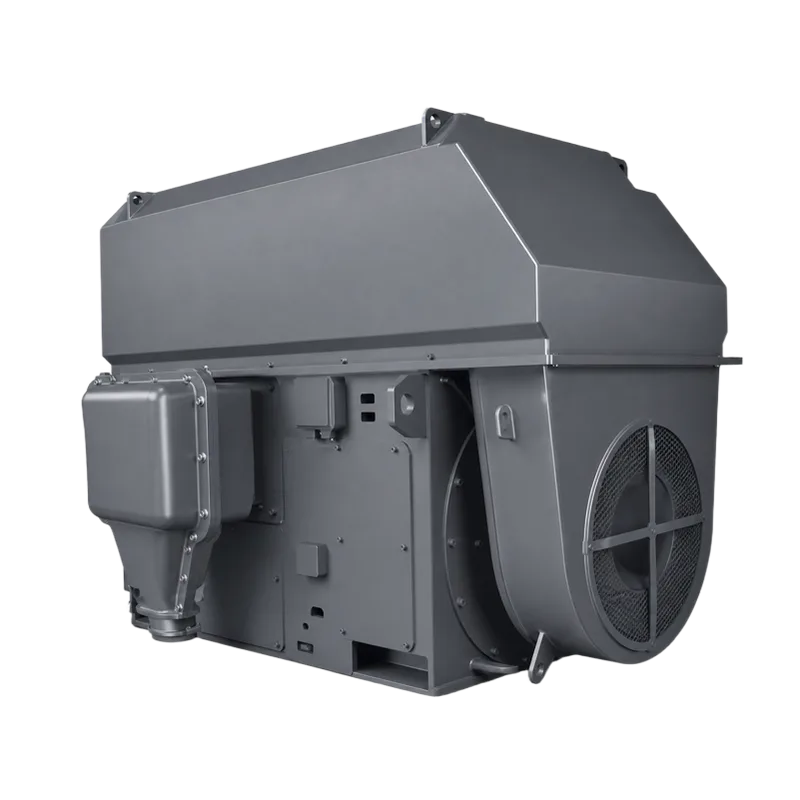
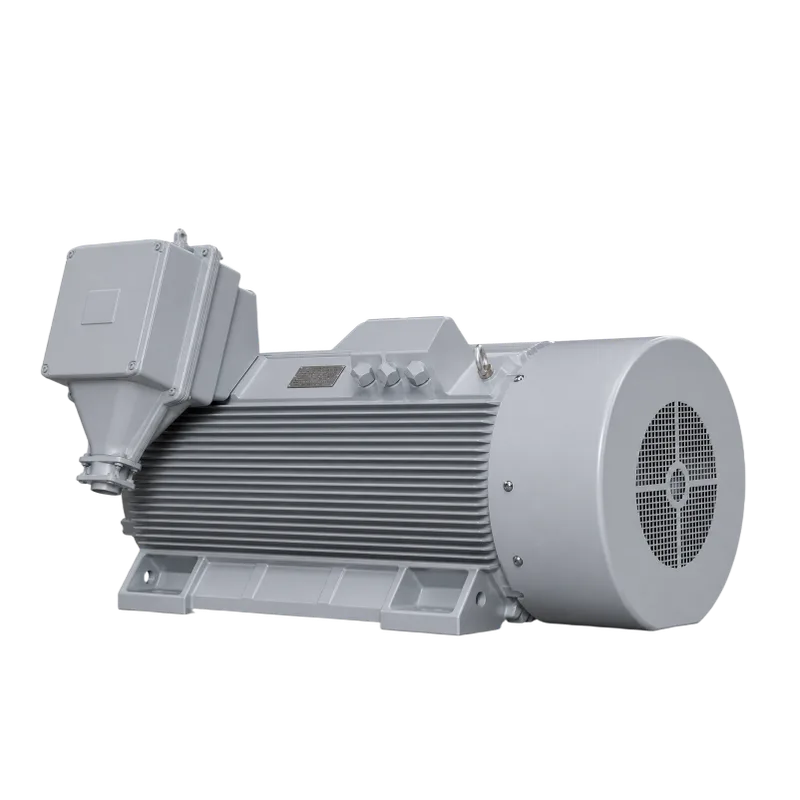
Cage-rotor high-voltage machines at 3.3 kV, 6 kV and 10 kV for mill, fan, compressor and hoist duty.
Technical articles on these series
Surge-Arrester Selection for High-Voltage Motors
ReadMotor Air-Gap Inspection: What Uneven Readings Can Mean
ReadPartial Discharge Testing for High-Voltage Motors
Read6 kV and 10 kV Motors: When High Voltage Makes Sense
ReadApproved Motor Drawing Review Before Manufacture
ReadConveyor Motor Selection: Breakaway Torque and Restart
ReadCrusher Jam Restart: Motor and Drive Questions
ReadFan Motor Acceleration: Inertia Matters More Than Running kW
ReadFixed and Floating Bearings in Electric Motors
ReadGas Compressor Motors: Reciprocating versus Centrifugal
ReadSelecting a High-Voltage Motor for a Cement Kiln-Head Drive
ReadHigh-Voltage Motor Differential Protection
ReadDo High-Voltage Motors Have IE Classes? Only Inside a Narrow Window
ReadStarting Methods for High-Voltage Motors
ReadCoupling Selection for Industrial Motor Drives
ReadIndustrial Motor Data Sheet Review: Fields That Must Agree
ReadKiln Inching Drive Design: Torque Path, Brake and Interlocks
ReadLocked-Rotor and Stall Protection for Industrial Motors
ReadCoastal Motor Specification: Salt, Condensation and Corrosion Control
ReadSelecting Motors for Mining Crushers and Ball Mills
ReadMotor Failure Modes in Mining, Ranked by How Often They Come Up
ReadMotor Acceleration Time and Stall Time Must Be Checked Together
ReadMotor Auxiliary Power Supply Checklist
ReadMotor Drain Plugs and Condensation Management
ReadMotor Baseplate Flatness: Measurement and Acceptance
ReadMotor Bearing Storage and Handling: Receiving-to-Assembly Controls
ReadMotor Bearing Temperature Alarm and Trip Settings
ReadMotor Cable Terminations: Electrical Fit and Mechanical Stress
ReadMotor Commissioning Baseline Data Worth Keeping
ReadMotor Cooling Air Recirculation at Site
ReadMotor Cooling Method IC Codes: What Buyers Need to Confirm
ReadMotor Core Loss Testing Before and After Rewind
ReadMotor Current Signature Analysis: Useful Boundaries
ReadMotor Earth-Fault Protection: Settings Need a System Study
ReadMotor Factory Test Witness Plan: Hold, Witness and Review Points
ReadMotor Fan Rotation and Cooling Airflow Checks
ReadMotor Foundation and Grouting Inspection Checklist
ReadMotor Grease Quantity per Bearing: What Must Be Defined
ReadMotor Grounding and Earthing: Installation Checklist
ReadHigh-Potential Testing: What a Pass Result Does Not Prove
ReadMotor Load Test at Site: Build a Process Baseline
ReadMotor Bearing Grease Compatibility: A Safe Changeover Checklist
ReadMotor Nameplate Data and Document Control
ReadMotor No-Load Run Test: A Practical Checklist
ReadMotor Overload Trip Class: Match Starting Time and Thermal Risk
ReadMotor Paint Damage and Field Corrosion Repair
ReadMotor Preservation When Commissioning Moves by Months
ReadMotor Protection CT Selection: Ratio, Burden and Saturation
ReadReplacement Motor Shaft Height: Base and Alignment Review
ReadMotor RTDs and Bearing Temperature Sensors
ReadMotor Shaft Alignment: What to Record Before Startup
ReadMotor Shaft Key and Keyway Fit: Avoiding Fretting
ReadMotor Receiving Inspection: Find Shipping Damage Early
ReadMotor Space Heater Control Logic: Interlocks, Alarms and Commissioning
ReadMotor Space Heaters and Condensation Control
ReadMotor Starting Voltage Drop: A Review That Includes the Load
ReadMotor Terminal Box Position and Cable Entry Planning
ReadHow to Read a Motor Torque-Speed Curve
ReadMotor Visual Inspection: Acceptance Record and Punch-List Closeout
ReadMotor Winding Resistance: When a Phase Difference Matters
ReadPipeline Booster Pump Motors: What the Station Decides
ReadPTC Thermistors vs RTDs for Motor Temperature Protection
ReadReciprocating Compressor Motors: Loaded vs Unloaded Start
ReadResonance, Unbalance or Misalignment? Follow the Evidence
ReadSelecting Motors for a Steel Rolling Mill Line
ReadSite Acceptance Testing for Industrial Motors
ReadSleeve vs Rolling Bearings in Large Motors
ReadSurge Comparison Testing for Motor Windings
ReadTransformer Capacity for Large Motor Starting: A Voltage-Drop Study
ReadAxial Thrust in Vertical Motor Applications
ReadVertical Pump Motor Selection: Thrust, Flange and Shaft Checks
ReadComparing across families, or filtering by power, voltage and protection?See the full range with filters. If the duty falls outside what these series publish, tell us the application — custom builds cover ratings the standard series do not.