Home/ProductsHazardous Area

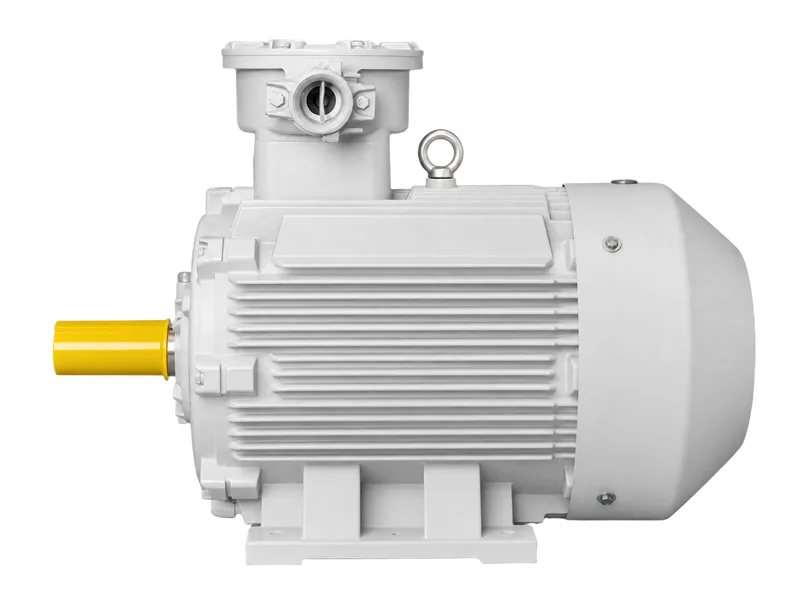
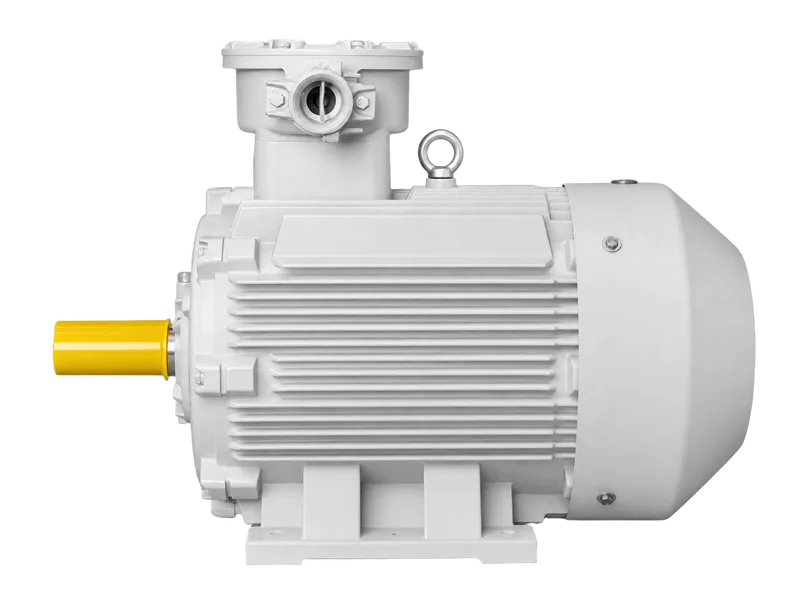
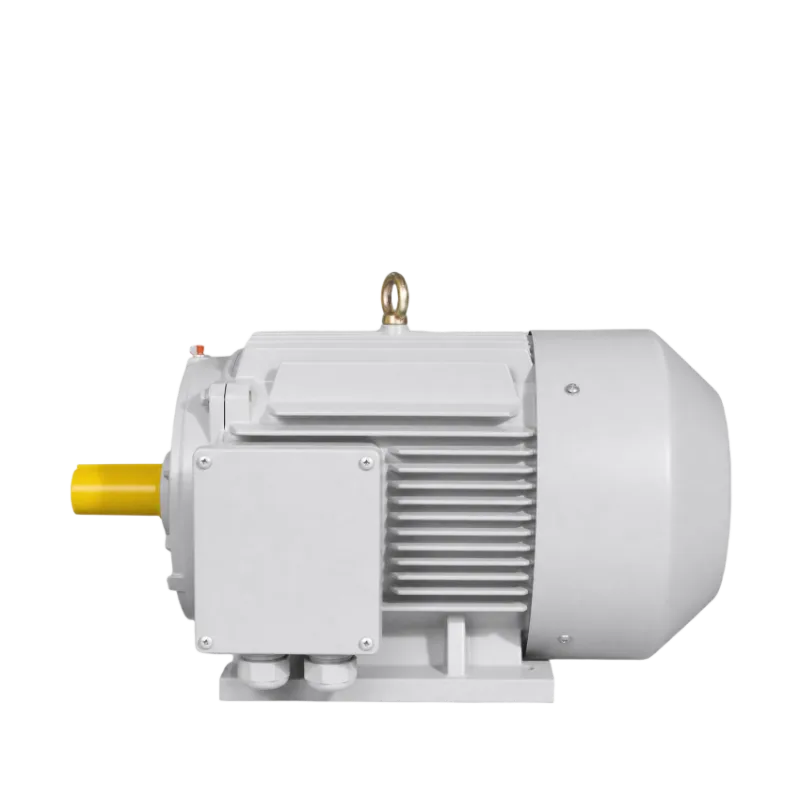
Explosion-Proof Motors for Hazardous Areas

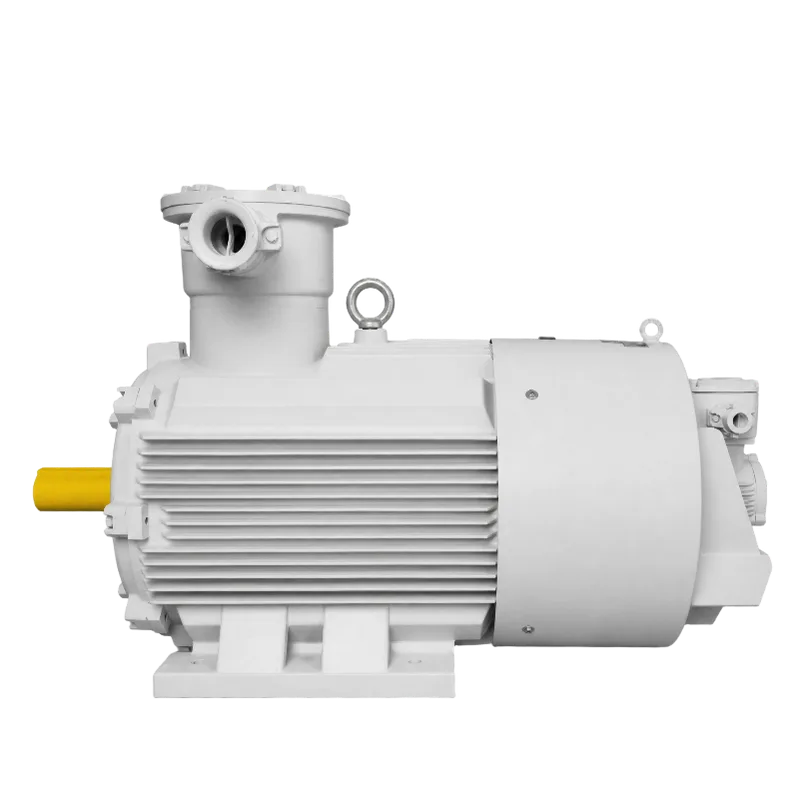
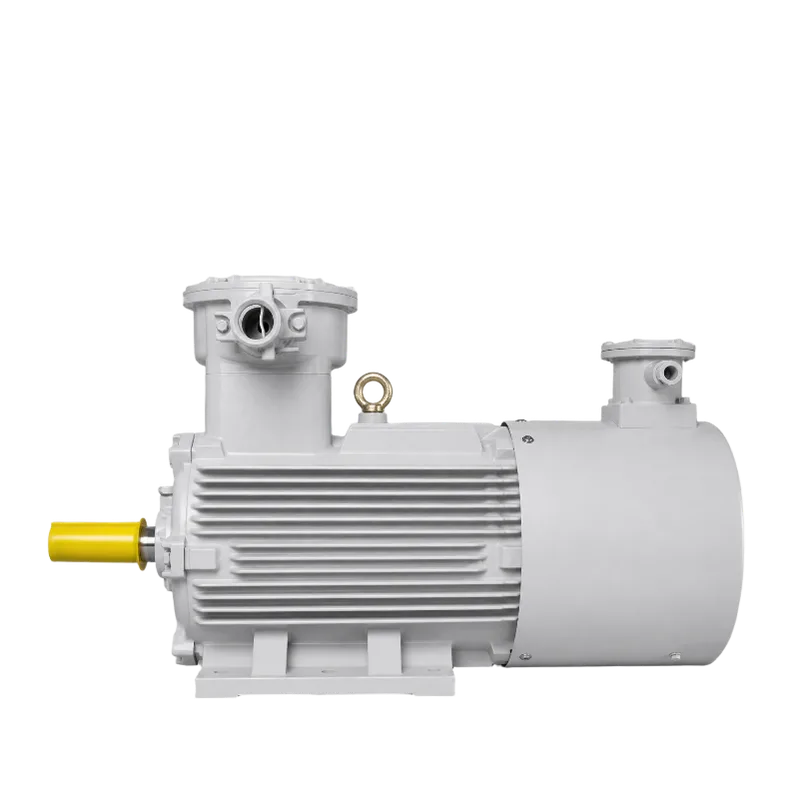
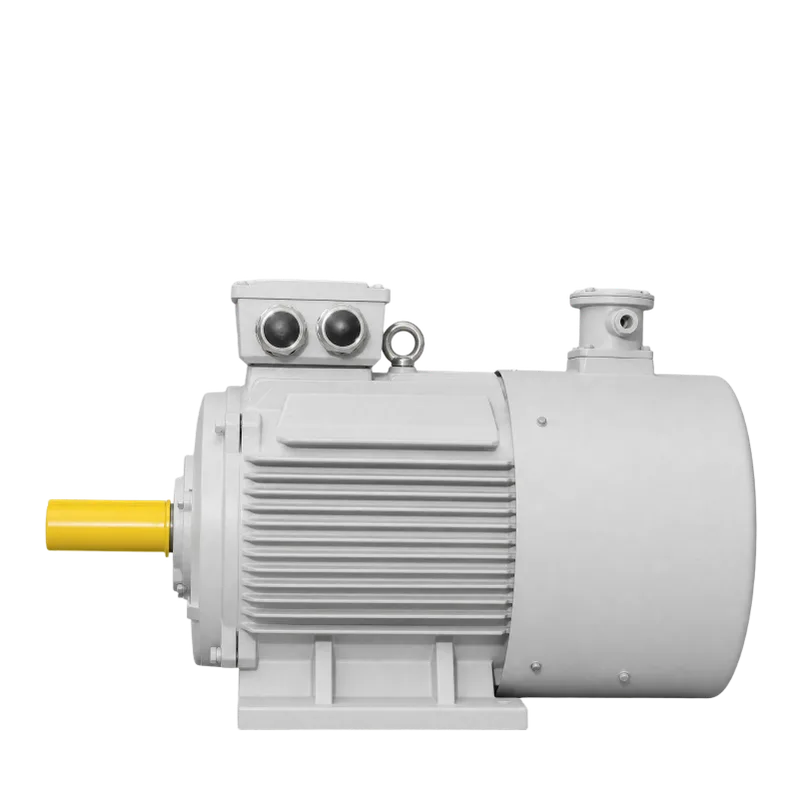
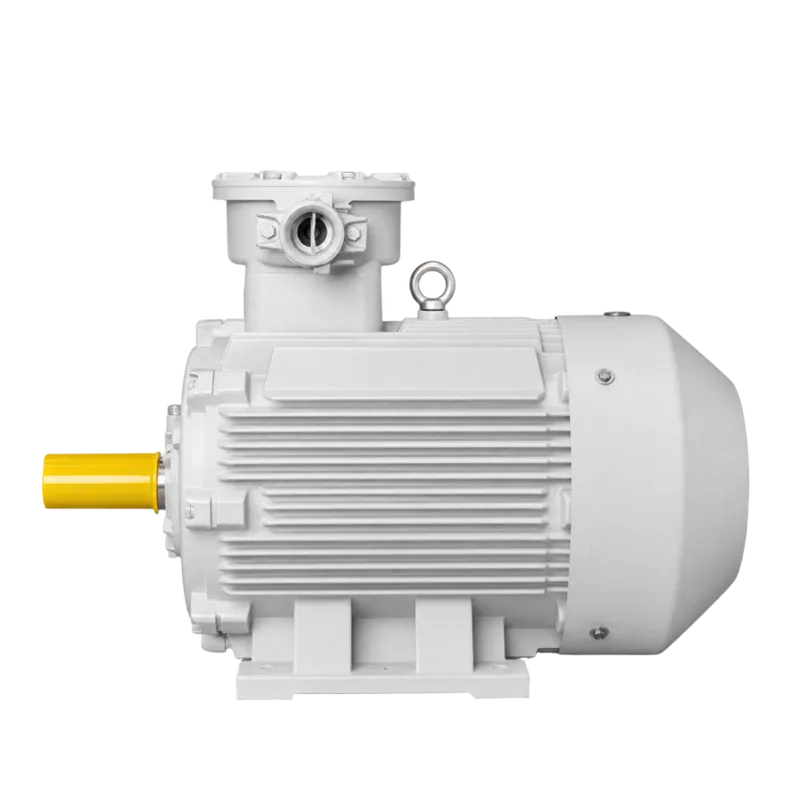
Flameproof "d" machines for explosive gas atmospheres and enclosure "t" machines for combustible dust, in fixed-speed and variable-frequency versions.
Technical articles on these series

Explosion-Proof Motor Selection: How to Read the Marking

Ex db IIB T4 Gb is five separate decisions written as one string. Each segment answers a different question, and none substitutes for another.

Read

From Zone to Motor: What a Zone 1, 2, 21 or 22 Area Actually Requires

The area classification comes first, the nameplate later. Here is the zone-to-protection-level correspondence, from the installation standard.

Read

ATEX vs IECEx vs NEC: Which Motor Certification Do You Need

ATEX, IECEx and NEC Class/Division certify the same physics through three different paperwork systems. Here is how they map, and how to pick the right motor.

Read

Equipment Protection Level: What Ga, Gb and Gc Mean

The last segment of an Ex marking says under which fault conditions the protection holds — and it is not the lowercase letter earlier in the string.

Read

What a Flameproof Joint Does, and Why It Cannot Be Re-Machined

A flameproof enclosure does not keep gas out. It lets the explosion happen inside and cools what escapes, through a gap that is a certified dimension.

Read

Hazardous Area Classification: Who Does It and Who Carries the Risk

Classification describes the place, not the motor. The owner or designer decides it before any equipment is specified — and the drawing is what you buy against.

Read

How to Verify an Explosion-Proof Motor Certificate

A certificate covers a model and rating, not a product family. Five checks — and the one suffix that changes what you may do with the motor.

Read

Reading a Chinese Motor Model Number: What Each Segment Commits To

YBX4-280S4-W is four segments in a fixed order, and the second character tells you the protection type before you find the Ex plate.

Read

Gas and Dust Subgroups: IIA, IIB, IIC and IIIA to IIIC

The subgroups work in one direction only. IIC equipment covers IIA and IIB areas; IIB equipment does not cover a IIC area, and no margin argument changes that.

Read

Motor Temperature Classes T1 to T6: What Sets the Limit

The numbering runs against intuition — T6 is the harder requirement. And the figure that actually decides which class you need is not a property of the motor.

Read

Why Buyers Don't Trust Chinese Motor Suppliers

Distrust of Chinese motor suppliers tracks four specific, checkable patterns, not the country of origin itself. Here is what each one is and how to verify it.

Read

Flameproof Motors on a VFD: What the Standard Requires

Yes, and there is a product standard for it. What it adds is the part buyers rarely ask for: where constant torque stops, and how narrow that window gets.

Read

Drilling Rig Motors: Drawworks, Mud Pump and Top Drive

Three loads on one rig floor, and three different motor problems. One of them spends part of its cycle generating rather than consuming.

Read

Motor IP Ratings: What Each Digit Is Actually Tested For

IP66 and IP67 are not two rungs of one ladder. One digit is about solids and people, the other about water — and above 6 the ladder stops working.

Read

Reading Three-Phase Motor Terminal Markings: U1 V1 W1 and T1 T2 T3

Two marking systems, two rotation conventions, and one of them does not define rotation at all. Which one is on your terminal block changes what you can assume.

Read

Type Test vs Routine Test: What Each Report Proves

One proves the design, on a sample. The other proves this unit left the factory without a defect. Asking for "the test report" gets you whichever they have.

Read

What TEFC Actually Means, and What It Does Not Tell You

TEFC describes an enclosure and a fan. It does not say how much dust or water the motor keeps out — that is the IP rating, specified separately.

Read

Why Oilfield Motors Run Hot: Three Paths to Check

Running hot is not a fault, it is a consequence. And "you can still touch it" is not a criterion — the standards measure rise above ambient, not temperature.

Read

What an Inverter-Duty Efficiency Figure Actually Measures

Converter-fed efficiency is tested against a standardised reference converter — good for comparing designs, not a prediction for your drive.

Read

VFD Reactors and Filters: Work Out Which Side the Problem Is On

Line reactors, dv/dt filters and insulated bearings are not stronger versions of one device. They fix three different problems in three different places.

Read

Comparing across families, or filtering by power, voltage and protection?See the full range with filters. If the duty falls outside what these series publish, tell us the application — custom builds cover ratings the standard series do not.