Home/ProductsAC Induction

Three-Phase AC Induction Motors

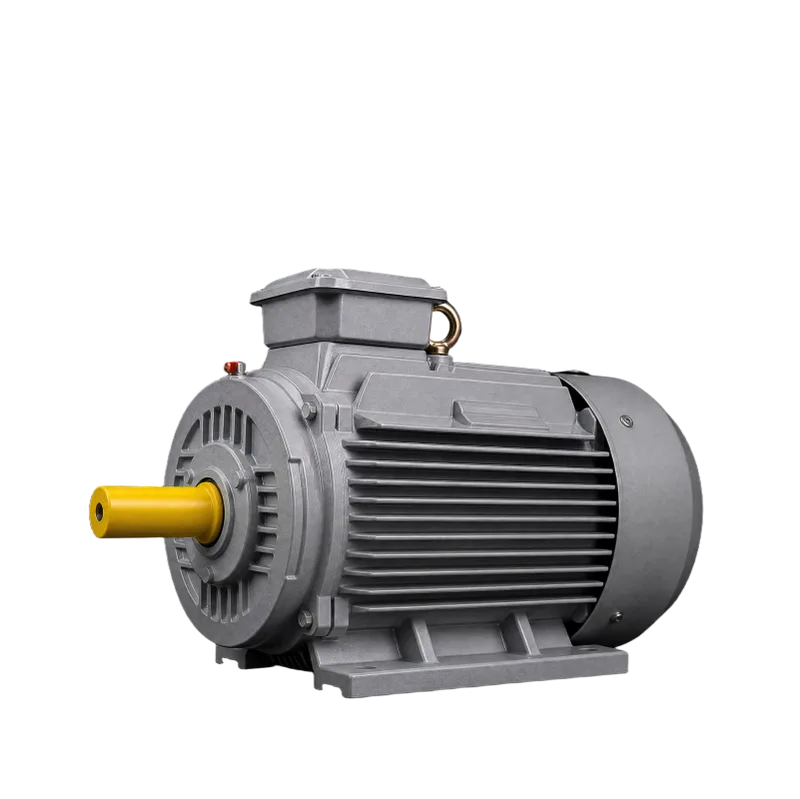
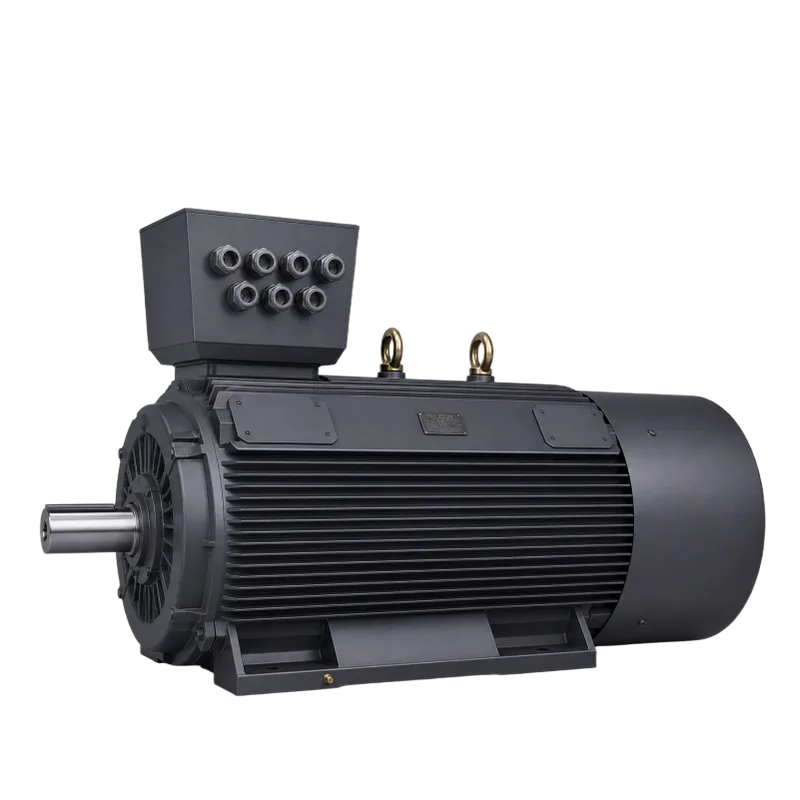
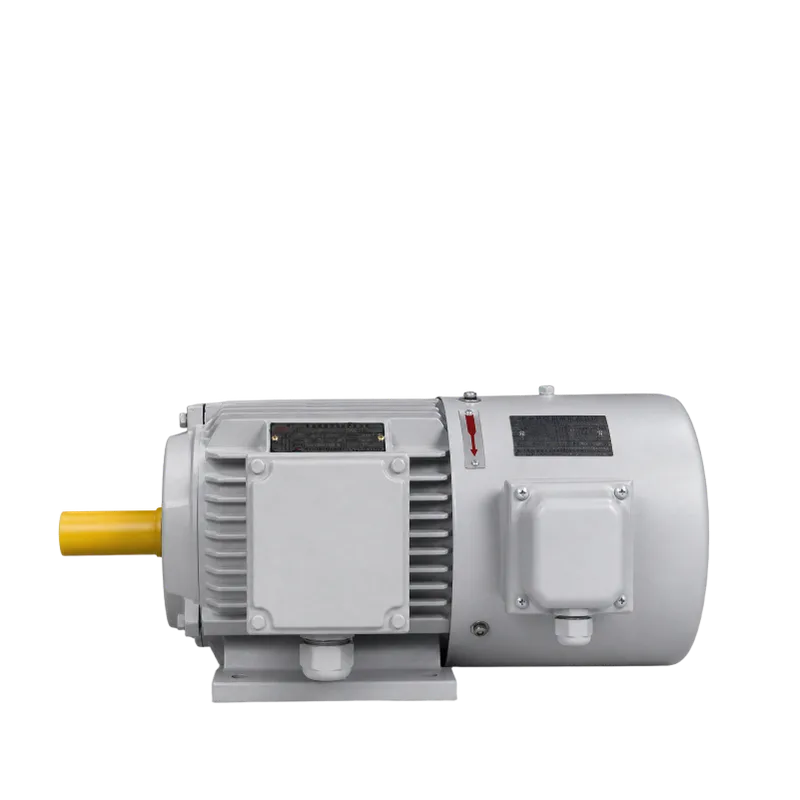
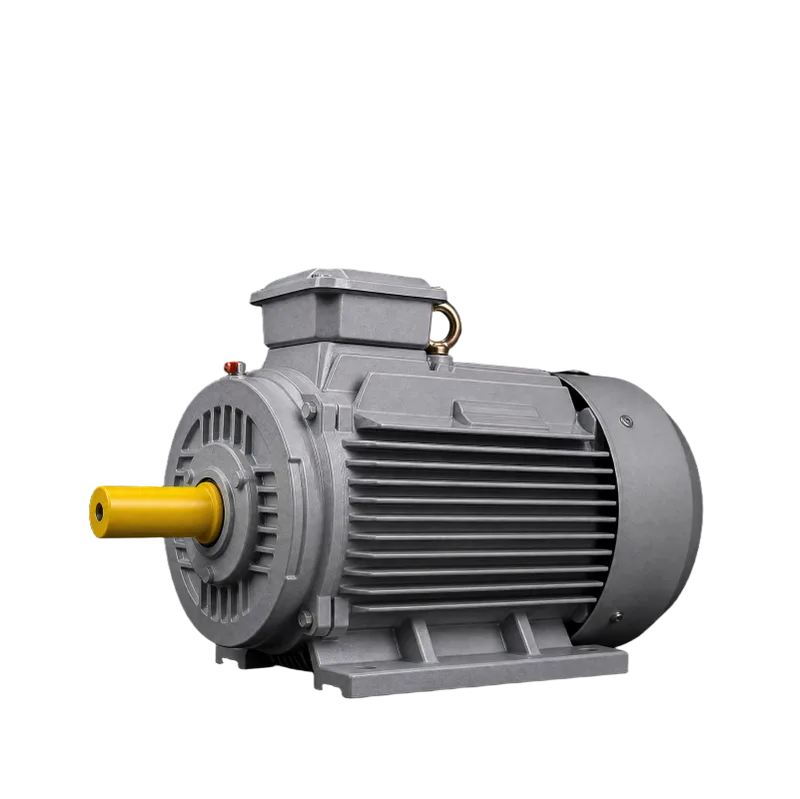
General-purpose IEC-frame induction motors across IE3, IE4 and IE5, plus the large-power and variable-frequency variants of the same platform.
Technical articles on these series

What an Inverter-Duty Efficiency Figure Actually Measures

Converter-fed efficiency is tested against a standardised reference converter — good for comparing designs, not a prediction for your drive.

Read

VFD Reactors and Filters: Work Out Which Side the Problem Is On

Line reactors, dv/dt filters and insulated bearings are not stronger versions of one device. They fix three different problems in three different places.

Read

What TEFC Actually Means, and What It Does Not Tell You

TEFC describes an enclosure and a fan. It does not say how much dust or water the motor keeps out — that is the IP rating, specified separately.

Read

GB 18613 and IE Classes: Reading a Chinese Efficiency Grade

The two systems number in opposite directions, and neither is a label — both are tables of values at a rating. Compare the cells, not the words.

Read

Cooling Tower Fan Drives: Direct Drive or Gearbox, and What Decides It

The choice is about a drive train, not a motor. And whether the fan sits in the entering or the leaving airstream decides what the machine lives in.

Read

Reading a Chinese Motor Model Number: What Each Segment Commits To

YBX4-280S4-W is four segments in a fixed order, and the second character tells you the protection type before you find the Ex plate.

Read

Replacing a Fan Motor: Why Matching the Nameplate Power Is Not Enough

Fan power rises with the cube of speed. A replacement motor running 2% faster asks for about 6% more shaft power, and nothing on the nameplate warns you.

Read

Do High-Voltage Motors Have IE Classes? Only Inside a Narrow Window

High-voltage cage motors do get IE classes — between 200 and 2000 kW, above 1 kV to 11 kV, on two, four or six poles. Outside that, no class exists.

Read

How to Check If a Motor Nameplate's HP Is Inflated

A clamp meter and a published full-load current table are enough to catch an inflated horsepower rating. Here is the method, with worked numbers.

Read

Line-Start PM Motors: Permanent Magnet Efficiency Without a Drive

A rotor carrying both a cage and magnets starts like an induction motor and runs synchronously. The catch is what the magnets do during the start.

Read

Motor IP Ratings: What Each Digit Is Actually Tested For

IP66 and IP67 are not two rungs of one ladder. One digit is about solids and people, the other about water — and above 6 the ladder stops working.

Read

Where Synchronous Machines Are Used, and Why

Exact synchronous speed is the least interesting thing about these machines. What earns them a place is that you can choose the power factor.

Read

Reading Three-Phase Motor Terminal Markings: U1 V1 W1 and T1 T2 T3

Two marking systems, two rotation conventions, and one of them does not define rotation at all. Which one is on your terminal block changes what you can assume.

Read

Type Test vs Routine Test: What Each Report Proves

One proves the design, on a sample. The other proves this unit left the factory without a defect. Asking for "the test report" gets you whichever they have.

Read

Why Buyers Don't Trust Chinese Motor Suppliers

Distrust of Chinese motor suppliers tracks four specific, checkable patterns, not the country of origin itself. Here is what each one is and how to verify it.

Read

Pipeline Booster Pump Motors: What the Station Decides

It looks like the easiest duty in the field — constant load, steady flow. Then you learn that capacity is changed by switching whole pumps in and out.

Read

Drilling Rig Motors: Drawworks, Mud Pump and Top Drive

Three loads on one rig floor, and three different motor problems. One of them spends part of its cycle generating rather than consuming.

Read

Drive System Efficiency: IE for the Motor, IES for the System

Three efficiency classes can appear on one variable speed drive, and they are not the same scale. The motor class tells you least about the bill.

Read

Gas Compressor Motors: Reciprocating versus Centrifugal

Two compressor families, two different motor answers. The centrifugal one fails on a specification most enquiries never mention: how long the start takes.

Read

VFD Retrofit: Keep the Induction Motor or Move to PM?

An existing variable-speed drive is five parts, not one. Which of them a motor swap puts back in play is what decides this — not the motor comparison.

Read

Comparing across families, or filtering by power, voltage and protection?See the full range with filters. If the duty falls outside what these series publish, tell us the application — custom builds cover ratings the standard series do not.